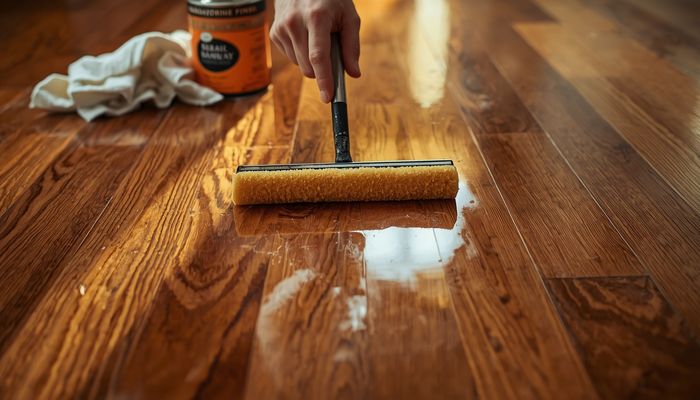
Hardwood Floor Refinishing: What to Know
TL;DR: Refinishing hardwood floors restores their original appearance by sanding off the old finish (and a thin layer of wood) and applying new stain and topcoat. Professional refinishing costs $3-$8 per square foot, averaging $1,500-$3,500 for a typical 500-square-foot living area. DIY costs $1-$2 per square foot but requires sander rental, skill, and a long weekend. Floors can be refinished 4-8 times over their lifetime depending on plank thickness. Top finish options: oil-modified polyurethane, water-based polyurethane, and modern hard-wax oils.
What Is Hardwood Floor Refinishing?
Hardwood floor refinishing is a multi-step process: deep cleaning, repair of damaged boards, sanding through three grits (typically 36, 60, 100), edge sanding the perimeter, dust removal, optional stain application, and 2-3 coats of polyurethane or hard-wax oil finish. The sanding removes the old finish plus 1/32 to 1/16 inch of wood, revealing fresh wood for staining and refinishing. Solid 3/4-inch hardwood can be refinished 4-8 times; engineered hardwood typically once or not at all.
How Much Does Hardwood Floor Refinishing Cost?
Professional hardwood refinishing costs $3-$8 per square foot, totaling $1,500-$3,500 for a 500 sq ft room. DIY refinishing costs $1-$2 per square foot in materials and rentals. Solid hardwood living rooms and dining rooms ($1,500-$3,500) cost less per foot than stairs or smaller rooms ($5-$15 per sq ft) due to handwork. Adding a custom stain color adds $1-$2 per square foot.
| Job | DIY Cost (500 sq ft) | Pro Cost (500 sq ft) |
|---|---|---|
| Refinish only (existing color) | $500-$1,000 | $1,500-$3,500 |
| Refinish with stain change | $700-$1,300 | $2,000-$4,500 |
| Recoat (no sanding) | $150-$300 | $500-$1,200 |
| Stairs (per stair) | – | $50-$120 |
| Whole-house solid hardwood (2,000 sq ft) | $2,000-$3,500 | $6,000-$15,000 |
How Long Does Hardwood Floor Refinishing Last?
A well-applied polyurethane finish lasts 7-10 years before showing wear in high-traffic areas; full refinishing is typically needed every 8-15 years. Water-based polyurethane lasts slightly less (5-8 years) than oil-based but cures faster and yellows less. Hard-wax oils are recoated more often (every 1-3 years in traffic areas) but the wear is gentle and easy to repair. Solid 3/4-inch hardwood can be refinished 4-8 times total; engineered hardwood only once for most products.
Can I DIY Hardwood Floor Refinishing?
DIY hardwood refinishing is feasible for confident DIYers but is a major project. Plan a long weekend per room: rent a drum sander ($60-$100/day) and edge sander ($30-$50/day), buy sanding belts and discs, sand with 36 grit, then 60, then 100, vacuum thoroughly between grits, apply 1-2 coats of stain if desired, apply 2-3 coats of polyurethane with at least 4 hours between coats, light sanding (220 grit) between coats. The drum sander is the make-or-break skill; let off pressure at the ends of each pass to avoid drum marks.
The largest risk on DIY refinishing is over-sanding (creating depressed spots or removing too much wood), uneven stain application (lap marks), and contamination in the polyurethane (dust, insects). Rent a polishing buffer with a screen pad to feather between sanding passes if you are new to drum sanding.
What Are the Best Hardwood Floor Refinishing Options?
For finishes, oil-modified polyurethane (Minwax, Bona) is the traditional choice: warm amber tones, longest lifespan, high VOC. Water-based polyurethane (Bona Traffic, Loba Supra) has lower VOC and stays clear, but is more expensive. Hard-wax oils (Rubio Monocoat, Osmo Polyx) are increasingly popular for natural-look finishes with easy spot repair.
| Finish Type | Examples | Pros | Cons |
|---|---|---|---|
| Oil-modified polyurethane | Minwax Super Fast-Drying | Cheap, warm amber, 7-10 yr | High VOC, slow dry, yellows |
| Water-based polyurethane | Bona Traffic HD | Low VOC, stays clear | 2x cost, slightly softer |
| Hard-wax oil | Rubio Monocoat, Osmo Polyx | Natural look, easy repair | Recoat every 1-3 yr |
| Aluminum oxide (factory) | Pre-finished only | Most durable | Not field-applicable |
When Should I Replace or Upgrade Hardwood Floor Refinishing?
Replace (not refinish) hardwood floors when: the planks are too thin to sand again (engineered hardwood typically allows only 1 refinish), water damage has caused cupping or crowning that does not flatten, multiple boards are cracked or rotted, the floor structure is unsound (creaks, soft spots), termites or other infestations have damaged the wood, or the floor was previously sanded too thin (less than 1/16 inch above the tongue and groove).
Can engineered hardwood be refinished?
Some types, but only once. Engineered hardwood with a 4mm or thicker wear layer (top wood layer) can typically be sanded once. Thinner wear layers (1-3mm) cannot be refinished without exposing the plywood substrate; they can be screened and recoated (no sanding, just buffing and a new topcoat) instead.
Oil-based vs water-based polyurethane: which is better?
Oil-based has a warmer amber tone, lasts 7-10 years, and costs less, but has high VOC and 24+ hour dry times. Water-based stays clear without yellowing, lasts 5-8 years, has low VOC, and dries in 4-6 hours. For high-traffic areas with kids, water-based Bona Traffic HD is the modern best-in-class.
Can I refinish floors without sanding?
Sort of. Screen-and-recoat (also called buff-and-coat) lightly abrades the existing finish with a 120-grit screen on a buffer and applies a fresh polyurethane topcoat. This works only if the finish is worn but not penetrated to bare wood. Cost: $1-$2 per sq ft DIY, $1.50-$3 pro. Lasts 3-5 years before full refinish is needed.
How many times can hardwood be refinished?
Solid 3/4-inch hardwood: 4-8 times depending on previous refinishes. Each refinish removes about 1/32 inch of wood. The floor is at end-of-life when the remaining wood above the tongue is less than 1/16 inch. Engineered hardwood: 0-1 times depending on the wear layer thickness.