
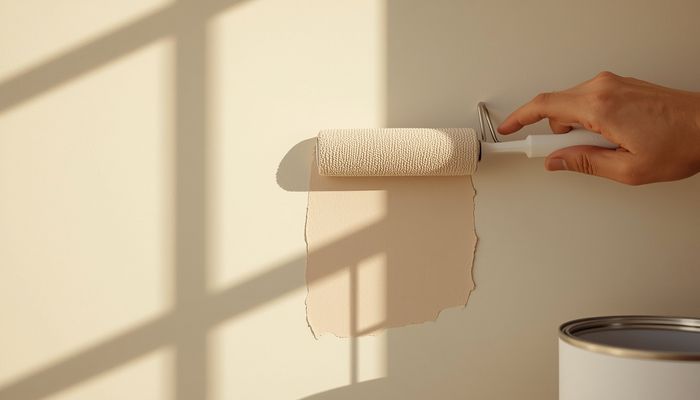
I Used Flat Paint in a Bathroom and Grew Mold in 6 Months
When we moved into our current house, the guest bathroom was painted with what looked like chalk. If you brushed against the wall, a white residue came off on your clothes. Water spots from hand-washing had left permanent drip marks. And in the corner behind the toilet — which I discovered when I went to repaint — there was a patch of black mold about the size of a dinner plate.
The previous owner had used flat paint in a bathroom. Flat paint has no sheen, which means it’s porous. It absorbs moisture instead of repelling it. In a bathroom, that moisture goes into the paint film and feeds mold. Here’s my rule now: flat paint goes on ceilings and low-traffic walls. Everywhere else gets at least eggshell.
The Paint Sheen Hierarchy (From Dead Flat to Shiny)
Flat / Matte (0-5% sheen): No shine at all. Hides wall imperfections better than any other sheen because light doesn’t reflect off the surface — bumps, patches, and uneven texture disappear. Downside: almost impossible to clean. Scrubbing flat paint removes the paint, not the stain. Use on: ceilings, adult bedrooms, formal living rooms that nobody touches.
Eggshell (10-15% sheen): Slightly more sheen than flat — about like an actual eggshell. Has enough resin in the formula to be lightly washable. This is my default for most walls — living rooms, dining rooms, hallways. It looks like flat from most angles but you can wipe a fingerprint off without removing the paint. Benjamin Moore Regal Select in eggshell ($54/gallon) has been my go-to for a decade.
Satin (25-35% sheen): Noticeable sheen — not shiny, but clearly not flat. Washable and scrubbable. This is what goes in bathrooms, kitchens, laundry rooms, and kids’ bedrooms. It reflects enough light to highlight wall imperfections (if you have a bad drywall job, satin will show every seam), but it’s the best balance of cleanability and appearance for high-traffic areas.
Semi-Gloss (40-60% sheen): Shiny and durable. This is for trim, doors, cabinets, and baseboards. It wipes clean with a sponge. It’s also unforgiving on walls — every imperfection is visible. I use semi-gloss exclusively on trim and nowhere else. Sherwin-Williams ProClassic semi-gloss ($60/gallon) is the industry standard for trim.
High-Gloss (70%+ sheen): Mirror-like. Used on front doors, furniture, and occasionally kitchen cabinets for a modern look. Requires perfect surface preparation because it shows literally everything. I’ve used it exactly twice and both times spent more time sanding than painting.
What I Use in Every Room Now
Ceilings everywhere: Flat ceiling paint. It’s dead flat (flatter than wall flat), it’s bright white, and it’s formulated to go on without spattering. Benjamin Moore Waterborne Ceiling Paint ($40/gallon). I used to think “paint is paint” and used whatever was left over from the walls. That’s why my first house had slightly-gray ceilings when the walls were white. Ceiling paint is whiter than wall paint.
Adult bedroom, living room, dining room: Eggshell. It looks flat enough to be sophisticated but I can clean it when someone touches the wall with pizza fingers.
Kids’ rooms, hallways: Satin. Kids touch walls. Hallway walls get bumped by laundry baskets, vacuum cleaners, and shoulders. Satin forgives all of this.
Bathrooms, kitchen: Satin or specifically a bathroom paint with mildewcide additive (Benjamin Moore Aura Bath & Spa, $60/gallon). The antimicrobial additive is worth the premium in bathrooms with poor ventilation.
Trim, doors, baseboards: Semi-gloss. Always. Anything less looks unfinished. I made the mistake of using eggshell on baseboards once and they looked dirty within two weeks because you can’t truly clean eggshell.
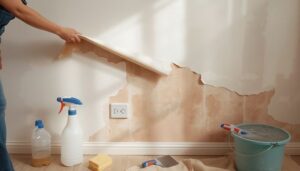
The guest bathroom with the moldy flat paint? I scraped the mold, treated the drywall with Concrobium ($12 at Home Depot — it kills mold and leaves a residue that prevents regrowth), primed with Kilz mold-resistant primer ($22), and painted with Aura Bath & Spa in satin. Two years later, no mold. No water spots. I can wipe the wall down with a damp cloth when toothpaste splatter happens (and toothpaste splatter always happens).
The previous owner’s mistake cost me about $150 and an afternoon. My rule: if water touches the wall, satin or higher. Flat paint in a bathroom is just growing mold you haven’t found yet.

I’ve tried this approach in my own home. Results were good but not miraculous. Solid option for the price point.
Exactly the kind of practical info homeowners need. Clear, concise, and actionable.