
Solid Hardwood Explained: What It Is and Why It Matters
TL;DR: Solid hardwood is natural wood cut from a single piece of timber, typically ¾-inch thick, used for flooring, trim, or furniture. Unlike engineered wood or laminate, it can be sanded and refinished multiple times, adding long-term value to your home. It’s a premium choice for durability, but it requires proper installation and maintenance to perform well in moisture-prone areas.
What Is Solid Hardwood?
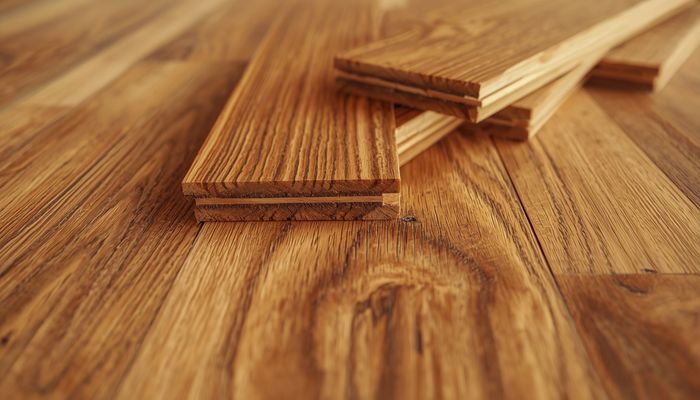
Solid hardwood is exactly what it sounds like: a plank or board made from one solid piece of natural wood. It’s cut directly from a tree, dried in a kiln to reduce moisture content (usually to 6–9%), and milled into planks with tongue-and-groove edges for installation. In home improvement, the term most often refers to solid hardwood flooring, but it also applies to solid wood trim, stair treads, and cabinetry.
The key identifier is thickness. Standard solid hardwood flooring is ¾ inch (19 mm) thick. This thickness is what separates it from engineered wood (which has a thin veneer over plywood) or laminate (which is printed fiberboard). Because it’s all wood, solid hardwood expands and contracts with humidity changes, which is why it’s typically nailed down rather than glued or floated.
How Solid Hardwood Works
Solid hardwood works by providing a stable, natural surface that can be sanded and refinished multiple times over decades. Here’s the technical side:
- Moisture adaptation: Wood cells absorb and release moisture. Solid hardwood expands across the grain (width) when humidity rises and contracts when it drops. A 5-inch-wide plank can move up to 1/8 inch seasonally. This is why installers leave expansion gaps around walls (usually ½ to ¾ inch).
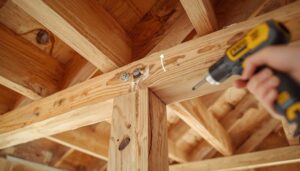
- Installation methods: The most common method is nail-down installation using a flooring nailer. The planks are nailed through the tongue at a 45-degree angle into a plywood subfloor. For concrete slabs, solid hardwood must be installed over a plywood subfloor or use a glue-down method (less common).
- Refinishing cycle: Because it’s solid, you can sand down the top surface (removing about 1/16 inch per sanding) and apply new stain and finish. A ¾-inch plank can be refinished 5–7 times in its lifetime, depending on the species (oak wears better than pine). This means a single installation can last 50–100 years with proper care.
Why Solid Hardwood Matters in Home Improvement
Solid hardwood matters because it’s one of the few flooring options that actually adds resale value to a home. According to the National Association of Realtors, hardwood floors can increase a home’s sale price by 2.5–5%, and homes with hardwood sell faster than those with carpet or laminate. But the real value lies in its longevity.
- Durability: A properly installed solid oak floor can withstand heavy foot traffic for decades. Scratches can be sanded out, not just hidden. This is critical in living rooms, hallways, and dining rooms.
- Repairability: If a plank gets damaged (e.g., water stain or pet scratch), you can sand it out or replace that single plank without redoing the whole room. With engineered wood, you can only refinish it 1–2 times before the veneer wears through.
- Acoustics: Solid hardwood is denser than engineered wood, so it feels more solid underfoot and produces a richer sound—think of the difference between tapping on a solid oak table versus a hollow-core door.
- Health: Solid hardwood doesn’t trap dust, allergens, or mold like carpet does. It’s hypoallergenic and easy to clean with a dry mop.
The downside? Solid hardwood is more expensive (typically $8–15 per square foot material only, plus $4–8 installation) and requires professional installation. It’s also sensitive to moisture—never install it in basements, bathrooms, or over concrete slabs on grade without a proper vapor barrier.
Solid Hardwood vs Related Terms
Homeowners often confuse solid hardwood with similar terms. Here’s the breakdown:
| Term | Construction | Thickness | Can Be Refinished? | Best Use |
|---|---|---|---|---|
| Solid Hardwood | Single piece of natural wood | ¾ inch | Yes (5–7 times) | Living rooms, bedrooms, hallways |
| Engineered Hardwood | Plywood core with a thin hardwood veneer (1/16–1/8 inch) | ½–⅝ inch | 1–2 times (limited by veneer) | Basements, concrete slabs, kitchens |
| Laminate | Fiberboard core with a printed image (photographic layer) | 8–12 mm | No (cannot be sanded) | Budget areas, high-moisture rooms |
| Luxury Vinyl Plank (LVP) | PVC core with a printed wear layer | 4–8 mm | No | Bathrooms, basements, rentals |
Key distinction: Solid hardwood is the only option that can be sanded and refinished repeatedly. Engineered hardwood has a real wood top layer but is thinner, so refinishing is limited. Laminate and LVP are synthetic—they look like wood but cannot be repaired once damaged.
When to Use Solid Hardwood
Use solid hardwood in these situations:
- Above-grade installations: Only on the main floor or upper floors of a house, never in a basement or below ground level. Moisture from concrete or earth will cause warping.
- Over wood subfloors: If your home has a plywood or OSB subfloor (common in stick-built houses), solid hardwood nails in easily. For concrete slabs, you’ll need to install a plywood subfloor first.
- In low-moisture rooms: Avoid bathrooms, laundry rooms, or mudrooms where spills are frequent. Solid hardwood can handle occasional water (e.g., cleaning spills quickly), but standing water will stain or cup the planks.
- For long-term homes: If you plan to stay in your home for 15+ years, solid hardwood pays off because you can refinish it multiple times. In a starter home you’ll sell in 5 years, engineered hardwood might be more cost-effective.
Pro tip: Choose a species based on your area’s humidity. For example, red oak is stable in most climates, while hickory is harder but moves more with humidity. Always acclimate the wood in the room for 3–5 days before installation.
Frequently Asked Questions About Solid Hardwood
1. Can solid hardwood be installed over concrete?
Yes, but only if you install a plywood subfloor first (minimum ¾ inch) and use a vapor barrier. Direct glue-down on concrete is not recommended for solid hardwood because moisture from the slab can cause cupping.
2. How much does solid hardwood cost installed?
Expect $12–23 per square foot total (material + labor). Exotic species like Brazilian cherry cost more ($15–20 for material alone), while domestic oak is typically $8–12.
3. Can I install solid hardwood myself?
Technically yes, but professional installation is strongly recommended. Nailing requires a pneumatic flooring nailer, and mistakes in expansion gaps or subfloor prep can cause buckling. DIY installation often voids the warranty.
4. How long does solid hardwood last?
With proper maintenance, 50–100 years. Many homes still have original hardwood from the 1920s. The key is refinishing every 7–10 years for high-traffic areas.
5. Is solid hardwood better than engineered hardwood?
It depends on your situation. Solid is better for longevity (more refinishings) and resale value. Engineered is better for basements, concrete slabs, and homes with humidity swings (e.g., coastal areas).
Now that you understand what solid hardwood means, check our guide on [How to Choose Between Solid and Engineered Hardwood Flooring] for a side-by-side comparison of costs, installation, and maintenance.
}
},
{
“@type”: “Question”,
“name”: “How much does solid hardwood cost installed?”,
“acceptedAnswer”: {
“@type”: “Answer”,
“text”: “Expect $12–23 per square foot total (material + labor). Exotic species like Brazilian cherry cost more ($15–20 for material alone), while domestic oak is typically $8–12.”
}
},
{
“@type”: “Question”,
“name”: “Can I install solid hardwood myself?”,
“acceptedAnswer”: {
“@type”: “Answer”,
“text”: “Technically yes, but professional installation is strongly recommended. Nailing requires a pneumatic flooring nailer, and mistakes in expansion gaps or subfloor prep can cause buckling. DIY installation often voids the warranty.”
}
},
{
“@type”: “Question”,
“name”: “How long does solid hardwood last?”,
“acceptedAnswer
Flooring Industry Standards: For official grading standards and installation guidelines, consult the National Wood Flooring Association (NWFA) and the World Floor Covering Association (WFCA). The Family Handyman also offers excellent DIY flooring installation guides.
This answered questions I didn’t even know I had. Great practical advice here.
This answered questions I didn’t even know I had. Great practical advice here.