Understanding GFCI Outlets and Where to Install Them
TL;DR: A GFCI (ground-fault circuit interrupter) outlet shuts off power within 1/40 of a second when it detects current leaking to ground, preventing electrocution in wet areas. They are required by code in bathrooms, kitchens, garages, basements, outdoors, and within 6 feet of any sink. A GFCI outlet costs $15-$30 for the device and $80-$200 installed if you hire an electrician. Most outlets last 15-25 years before the internal sensor degrades, and code now requires testing monthly. Replacing an existing outlet is a strong DIY job for confident homeowners; new circuit runs require a licensed electrician.
What Is GFCI Outlets?
A GFCI outlet contains a current-balancing transformer that compares the current flowing out through the hot wire to the current returning through the neutral. If the two differ by more than 4-6 milliamps (the difference would be flowing through someone or something to ground), the outlet trips instantly. GFCIs protect against the most common cause of electrocution in homes: contact with electricity in wet conditions.
GFCI protection can be delivered by a GFCI outlet (protects itself and any downstream outlets on the same circuit) or by a GFCI circuit breaker (protects the entire circuit from the panel). Per NEC 2020/2023, GFCI protection is required for receptacles in bathrooms, kitchens, laundry rooms, garages, unfinished basements, crawlspaces, outdoors, and within 6 feet of sinks, tubs, and showers.
How Much Does GFCI Outlets Cost?
A GFCI outlet costs $15-$30 for the device and $80-$200 installed by an electrician. DIY replacement of an existing standard outlet with a GFCI is $15-$30 in parts and 20 minutes of work. Adding a new GFCI-protected circuit (new wire run from panel) costs $200-$600 depending on wall accessibility.
| Job | DIY Parts | Total Installed |
|---|---|---|
| Replace standard outlet with GFCI | $15-$30 | $80-$180 |
| Replace failed GFCI with new GFCI | $15-$30 | $80-$180 |
| Add new GFCI on existing circuit | $15-$30 | $150-$300 |
| Run new GFCI circuit from panel | $30-$80 | $250-$700 |
| GFCI breaker (panel-side protection) | $40-$80 | $200-$400 |
How Long Does GFCI Outlets Last?
GFCI outlets last 15-25 years before the internal sensor electronics degrade and the device fails to trip. UL requires GFCIs manufactured after 2015 to fail safe (no power) when the sensor fails, but older GFCIs can fail open (powered but not protecting). Test monthly using the TEST button; if pressing TEST does not kill the outlet, replace it immediately regardless of age.
Can I DIY GFCI Outlets?
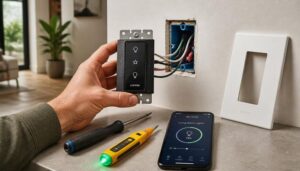
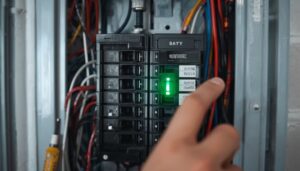
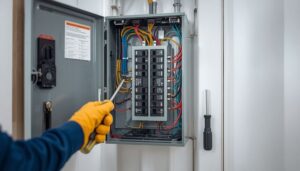
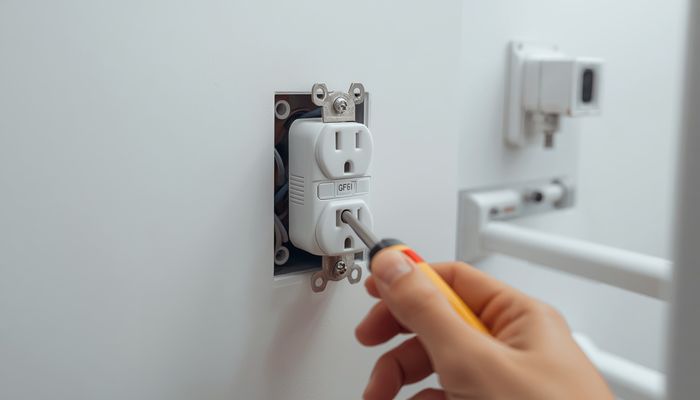
Replacing an existing GFCI is a strong DIY project for someone comfortable with basic electrical work. Plan 20-30 minutes: turn off the circuit at the breaker, verify with a voltage tester, remove the cover and old outlet, note the LINE (incoming power) and LOAD (downstream) wires, transfer wires to the matching terminals on the new GFCI, secure to the box, restore power, and press TEST/RESET. Always use a non-contact voltage tester to verify the circuit is dead.
Wiring a GFCI backward (LINE and LOAD swapped) is the #1 DIY error. The outlet will still power devices but will not provide GFCI protection downstream, and it will reset with no resistance. New construction or any new circuit work requires a permit and licensed electrician in most jurisdictions.
What Are the Best GFCI Outlets Options?
Leviton, Eaton, and Pass & Seymour (Legrand) make the most reliable residential GFCIs. Avoid no-name brands and bulk-pack 10-for-$30 units; their internal sensors are less precise and they trip nuisance more often. For outdoor or damp locations, use weather-resistant (WR) and tamper-resistant (TR) rated GFCIs.
| Brand | Notable Model | Features | Price |
|---|---|---|---|
| Leviton | SmartlockPro GFNT1 | Self-test, 15A | $18-$25 |
| Leviton | SmartlockPro GFTR2 | Self-test, TR, 20A | $22-$30 |
| Eaton | TRSGFNL15 | Self-test, TR, nightlight | $25-$35 |
| Pass & Seymour | 2095 | Heavy-duty commercial | $28-$40 |
| Leviton | GFWT2 | Weather-resistant outdoor | $25-$35 |
When Should I Replace or Upgrade GFCI Outlets?
Replace a GFCI when it fails the monthly TEST (TEST button does not kill power), it nuisance-trips repeatedly (more than 1-2 times per month without a real fault), the RESET button does not click in firmly, the device is over 15 years old, or you see scorch marks or smell heat. Outdoor and bathroom GFCIs in heavy-use households should be replaced proactively every 10-15 years even if working.
Do I need a GFCI on every kitchen outlet?
Yes, per NEC, every 120V 15A or 20A receptacle serving a kitchen countertop must be GFCI-protected. Outlets behind permanently installed appliances (refrigerator, dishwasher built-in) are typically GFCI-protected as well under NEC 2020/2023, though some jurisdictions still allow exceptions for refrigerators.
Why does my GFCI keep tripping with nothing plugged in?
Three common causes: (1) moisture in the outlet box, especially outdoor or bathroom locations; (2) a shared neutral with a non-GFCI circuit (multi-wire branch circuit error); (3) the GFCI itself is failing. Dry and reseat the wiring, then if it still trips, replace the GFCI.
Can I use a GFCI outlet for a refrigerator?
Per recent code yes, and the NEC now requires it in most cases. Older guidance recommended avoiding GFCI on refrigerator circuits because nuisance trips during your vacation could spoil food. If you have a dedicated refrigerator circuit and your jurisdiction permits, a non-GFCI receptacle remains the safer choice for food protection.
What is the difference between GFCI and AFCI?
GFCI (ground-fault) protects people from electrocution by detecting current leaking to ground. AFCI (arc-fault) protects buildings from fires by detecting arcing in damaged wiring. Modern code requires AFCI in bedrooms, living rooms, and most other living areas; GFCI in wet areas. Combination AFCI/GFCI breakers and outlets exist and are required in some locations.