
I Blew Cellulose Insulation Into My Attic and It Snowed In My House for Two Days
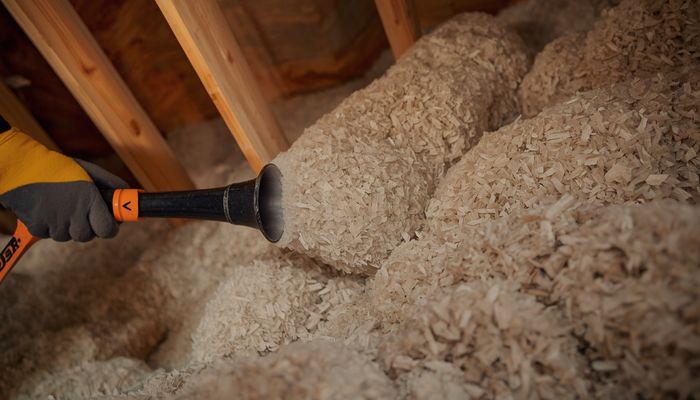
I rented the machine from Home Depot — the big green Insulmaxx blower that sits in the driveway and shoots cellulose through a 100-foot hose. The guy at the rental counter said “it’s easy.” He did not mention that if the person in the attic loses sight of where the hose is pointing for even two seconds, cellulose sprays everywhere. Through the attic hatch. Into the hallway. Onto the cat.
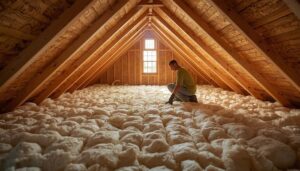
My wife and I spent two days vacuuming cellulose dust out of every corner of the upstairs. The cat avoided me for a week. The attic, however, has been perfectly insulated for six years now and our heating bill dropped 30%. Here’s what I learned about cellulose — the cheap, effective, messy insulation that nobody talks about.
Cellulose vs Fiberglass: The Real Difference
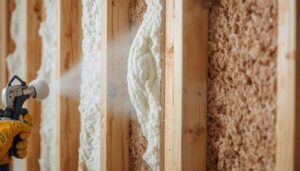
Cellulose insulation is made from recycled newspaper treated with borate — a fire retardant and pest deterrent (borate kills insects and prevents mold). It’s blown in dry or wet-sprayed into wall cavities. Fiberglass is made from spun glass fibers and comes in batts (the pink rolls) or loose-fill for blowing in.
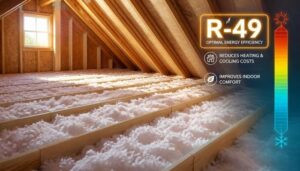
The R-value is comparable — about R-3.5 per inch for both. A 12-inch layer gives you roughly R-42. The practical differences:
Cellulose settles. Over the first year, cellulose settles about 10-15%. A 12-inch layer will become about 10 inches. You compensate by blowing in extra (the bags have a “settled thickness” chart printed on them — follow it). Fiberglass doesn’t settle significantly but also doesn’t fill gaps and voids as well.
Cellulose fills gaps. Because it’s a dense, fluffy material that’s blown in under pressure, cellulose flows around obstacles — wires, plumbing, weird framing — and fills cavities completely. Fiberglass batts leave gaps around every electrical box and pipe unless you meticulously cut and fit them (which nobody does).
Cellulose blocks air better. Air movement through insulation is called convection, and it dramatically reduces effective R-value. Dense-packed cellulose slows air movement better than fiberglass because the particles are smaller and pack tighter. In a drafty attic, this matters more than the R-value printed on the bag.
Cellulose is heavier. Cellulose weighs about 1.5-2 pounds per cubic foot. Fiberglass weighs about 0.5-1 pound. If your ceiling is old drywall on 24-inch centers, dense-packed cellulose can cause sagging. Check your framing before blowing in heavy insulation.
What I Actually Spent
The machine rental was free with the purchase of 20 bags of GreenFiber cellulose at $12 per bag (Home Depot still runs this deal). My 1,000-square-foot attic needed about 30 bags for R-38 coverage (about 11 inches settled). Total materials: $360.
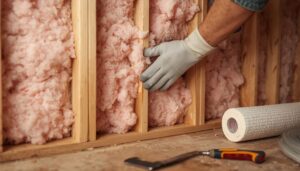
Compare that to fiberglass batts at about $0.70/sq ft for R-38 unfaced, plus the labor of cutting and fitting around 50 electrical boxes and 12 recessed lights. The batts would have cost about $700 in materials and taken twice as long to install. The cellulose took my wife and me three hours — one person feeding the machine, one person in the attic with the hose.
What I’d Do Differently
Tape the attic hatch before starting. I didn’t. The dust found its way through every microscopic gap in the hatch and coated the hallway. A roll of painter’s tape around the hatch frame would have saved me two days of vacuuming.
Wear a full-face respirator, not a dust mask. Cellulose is shredded paper with borate — it creates fine dust that a paper mask doesn’t fully filter. After three hours in the attic, I blew black boogers for a day. The 3M 6000 series respirator with P100 filters ($35) is worth it.
Mark the depth with rulers. I eyeballed the depth and ended up with inconsistent coverage — some areas were R-50, some were R-30. Now I staple yardsticks (or paint stirring sticks marked with Sharpie at the target depth) to the joists every 10 feet. Blow until the insulation reaches the mark, move on. Consistent coverage, no guessing.
Check for air leaks first. Insulation slows heat transfer. It does not stop air movement. If you have gaps around plumbing vents, recessed lights, or the chimney chase, air will flow through the insulation and cut its effectiveness in half. Spend the morning before you blow in insulation sealing those gaps with spray foam (Great Stuff Pro, $8 a can) and aluminum tape. The best insulation in the world loses to a breeze.
Our heating bill went from $280 in January to $190. The $360 paid for itself in the first winter. The cat eventually forgave me. She still avoids the attic hatch.
I’ve tried this approach in my own home. Results were good but not miraculous. Solid option for the price point.
Exactly the kind of practical info homeowners need. Clear, concise, and actionable.