
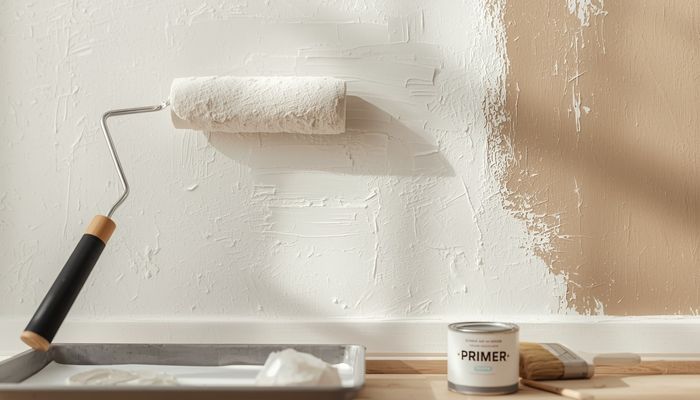
Primer Explained: What It Is and Why It Matters
TL;DR: In home improvement, primer is a preparatory coating applied before paint to ensure better adhesion, durability, and color accuracy. It seals porous surfaces, blocks stains, and prevents old colors from bleeding through. Without primer, paint often peels, cracks, or requires extra coats, making it a crucial step for professional-looking results.
What Is Primer?
Primer is a specialized base coat applied to surfaces before painting. Think of it as the foundation for your paint job—it creates a uniform, stable surface that helps paint stick better, last longer, and look more vibrant. Unlike paint, primer is designed to bond with the surface and fill microscopic imperfections, not to provide the final color or finish.
In home improvement, primer comes in two main types: water-based (latex) and oil-based (alkyd). Water-based primers are common for drywall, wood, and previously painted surfaces, while oil-based primers are better for stain blocking, metal, and high-moisture areas. There are also specialized primers for specific tasks, like stain-blocking primers for water damage or shellac-based primers for strong odors (like smoke).
How Primer Works
Primer works through a combination of chemical bonding and physical sealing. When applied, the primer’s resin and pigments penetrate the surface’s pores, creating a mechanical bond. At the same time, the primer’s binders form a thin, uniform film that seals the surface. This dual action:
- Prevents absorption: Primed surfaces absorb less paint, so you get more coverage per gallon. For example, raw drywall can absorb up to 50% more paint than primed drywall.
- Blocks stains: Specialized primers contain solvents or resins that trap stains (like water marks, crayon, or nicotine) so they don’t bleed through the topcoat.
- Improves adhesion: Paint sticks to primer better than to bare wood, metal, or glossy surfaces. This reduces chipping, peeling, and blistering over time.
- Enhances color accuracy: A white or gray primer provides a neutral base, so your paint color appears true to the swatch. Without primer, the underlying surface color can shift the final shade.
For example, if you paint a dark blue wall white without primer, you might need four or five coats to hide the blue. With a high-quality white primer, two coats of paint usually suffice.
Why Primer Matters in Home Improvement
Primer isn’t just an extra step—it’s a cost-saving, time-saving, and quality-improving measure. Here’s why it matters for homeowners:
- Saves paint and money: Because primer reduces absorption, you use less paint. A gallon of paint costs $30–$60, while a gallon of primer costs $15–$30. Using primer can cut your paint consumption by 30–50%, saving you money on larger projects.
- Prevents peeling and cracking: Bare wood, drywall, and metal expand and contract with temperature changes. Primer creates a flexible layer that moves with the surface, preventing paint from cracking. This is especially important for exterior projects where weather exposure is high.
- Blocks stains and odors: Water-based primers can hide light stains, but oil-based or shellac primers are essential for heavy stains like rust, smoke, or water damage. Without these, stains can reappear months later.
- Ensures even finish: Primer fills small cracks, nail holes, and texture differences, creating a smooth surface. This is critical for high-gloss paints, which show every imperfection.
- Works on difficult surfaces: Glossy paint, tile, laminate, and metal are notoriously hard to paint. Primer “etches” these surfaces, giving paint something to grab onto. A bonding primer is specifically designed for non-porous surfaces like these.
Primer vs Related Terms
Many homeowners confuse primer with other paint-related products. Here’s how they differ:
- Primer vs Paint: Paint provides color, finish, and protection. Primer provides adhesion and surface preparation. You can’t skip primer and just use extra paint—paint doesn’t have the same bonding or sealing properties. Think of primer as the undercoat and paint as the topcoat.
- Primer vs Sealer: A sealer is a clear or tinted coating that prevents moisture and stains from penetrating a surface. Sealers are often used on concrete, brick, or wood. Primer is more about adhesion and surface uniformity. Some products are “primer-sealers,” which do both.
- Primer vs Undercoat: In the UK and some paint lines, “undercoat” refers to a specific step between primer and paint. Undercoat is typically used over primer to improve opacity and smoothness. In the US, “primer” and “undercoat” are often used interchangeably, but technically, undercoat is a thinner, white paint used after primer.
- Primer vs Stain Blocker: Stain blockers are a type of primer specialized for covering tough stains (like ink, grease, or water marks). Not all primers are stain blockers. If you have heavy stains, look for a product labeled “stain-blocking primer.”
When to Use Primer
You don’t always need primer, but it’s essential in these situations:
- Bare surfaces: New drywall, raw wood, uncoated metal, or bare concrete always need primer. These surfaces are porous and won’t hold paint well without it.
- Color changes: Going from dark to light, or from a bold color to a neutral, requires primer to prevent the old color from bleeding through. A gray primer is best for covering dark colors.
- Glossy or slick surfaces: Painting over glossy paint, tile, laminate, or plastic requires a bonding primer. Otherwise, the paint will peel off in sheets.
- Stained or damaged walls: Water stains, smoke damage, crayon marks, or rust spots need a stain-blocking primer. Regular primer won’t seal these.
- High-moisture areas: Bathrooms, kitchens, and laundry rooms benefit from a mold- and mildew-resistant primer.
- Exterior projects: Outdoor wood, metal, and masonry need exterior-grade primer to withstand sun, rain, and temperature swings.
You can skip primer when repainting a wall that’s already painted with a similar color and finish, and the surface is clean and in good condition. Even then, a light sanding and cleaning are still recommended.
Frequently Asked Questions About Primer
1. Can I use paint as primer?
No. Paint lacks the bonding agents and sealants found in primer. Using paint alone on bare surfaces will result in poor adhesion, uneven coverage, and peeling. Always use a dedicated primer for best results.
2. How long should primer dry before painting?
Most water-based primers dry to the touch in 30 minutes to 1 hour, but you should wait at least 2–4 hours (or follow the manufacturer’s instructions) before painting. Oil-based primers take 6–8 hours. Cold or humid conditions can extend drying times.
3. Do I need to sand after priming?
Not always, but light sanding (with 220-grit sandpaper) can improve adhesion and smoothness, especially on glossy or repaired surfaces. Always wipe away dust with a damp cloth afterward.
4. Can I tint primer to match my paint color?
Yes. Many paint stores can tint primer to a shade close to your topcoat. This is especially helpful when covering dark colors or using deep, rich paint colors. Tinted primer reduces the number of topcoats needed.
5. Is primer necessary for painting over wallpaper?
Yes, but only if you’re painting over wallpaper that’s in good condition. Use a high-adhesion primer designed for wallpaper. However, peeling or textured wallpaper should be removed first—primer won’t fix underlying problems.
Now that you understand primer, check our guide on how to choose the right paint finish for every room to complete your next project with confidence.
Professional Resources: For expert wall finishing and painting guides, visit This Old House Painting and Family Handyman Painting. For paint product specifications, see Sherwin-Williams and Benjamin Moore.
First-time home flipper here: tested for asbestos BEFORE doing anything. Please please test first if your house is pre-1980.
Back-rolling is non-negotiable for cabinets. Failed to do it on my first kitchen spray job and had adhesion issues within 6 months.