
Orange Peel Texture Explained: What It Is and Why It Matters
TL;DR: Orange peel texture is a lightly textured wall finish that looks like the skin of an orange. It hides minor wall imperfections better than smooth paint, is easier to repair than heavy textures, and is one of the most popular drywall finishes in modern homes. It’s applied using a special spray gun or roller, and it’s common in new construction and renovations.
What Is Orange Peel Texture?
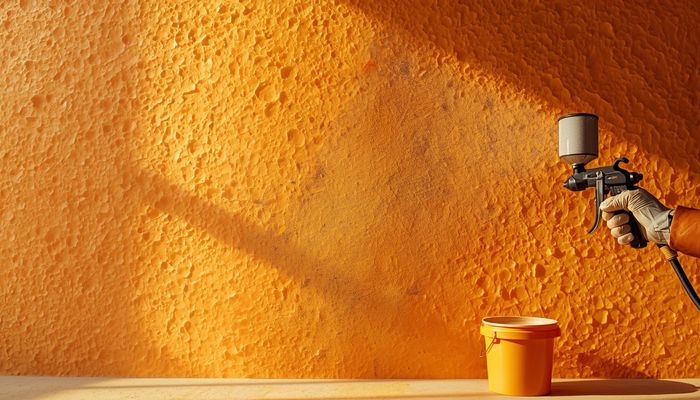
Orange peel texture is a wall and ceiling finish that creates a fine, bumpy surface resembling the skin of an orange. It’s not as rough as popcorn texture (which is heavy and bumpy) and not as smooth as a flat, polished wall. The texture consists of tiny, evenly spaced bumps that are about the size of a grain of sand or small bead—roughly 1/16 to 1/8 inch in diameter.
This finish is applied to drywall after the tape and mud (joint compound) have dried and been sanded. The texture is created by spraying a thinned joint compound (often called “mud”) onto the surface using a texture sprayer or by rolling it on with a special roller. Once it dries, it’s typically primed and painted.
In the home improvement world, orange peel texture is considered a “light” or “fine” texture. It’s a middle ground between a perfectly smooth wall (which is hard to achieve and expensive) and heavy textures like knockdown or popcorn.
How Orange Peel Texture Works
Orange peel texture works by applying a thin layer of joint compound (drywall mud) to a finished drywall surface in a controlled, even pattern. Here’s the step-by-step process:
- Prepare the surface: Drywall joints are taped and coated with joint compound, then sanded smooth. The entire wall is then primed to ensure the texture adheres evenly.
2. Mix the texture material: Joint compound is thinned with water to a consistency similar to pancake batter or heavy cream. This allows it to flow through a spray gun or be rolled on without clumping.
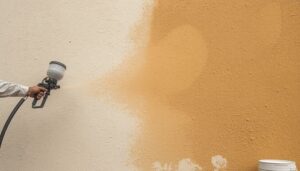
3. Apply the texture: Using a hopper gun (a type of spray gun connected to an air compressor) or a texture roller, the thinned mud is sprayed or rolled onto the wall. The spray creates tiny droplets that land on the surface and form bumps. For a roller, a special “stipple” roller is used to create a similar bumpy pattern.
4. Let it dry: The texture dries in 24–48 hours, depending on humidity and temperature. It shrinks slightly as it dries, so the final bumps are smaller than when first applied.
5. Prime and paint: Once dry, the texture is primed to seal the porous mud, then painted with two coats of latex paint.
The key to a good orange peel finish is consistency in the spray pattern and the mud’s thickness. If the mud is too thin, the texture will be too fine or disappear. If too thick, it will form large, uneven bumps or “splatter.”
Why Orange Peel Texture Matters in Home Improvement
Orange peel texture matters because it offers a practical balance between aesthetics and functionality for homeowners. Here’s why it’s so popular:
- Hides imperfections: Walls are rarely perfectly flat after drywall installation. Orange peel texture hides small dents, nail pops, and uneven tape joints that would be obvious on a smooth wall. This saves money on drywall finishing labor.
- Durable and easy to clean: The texture is tough enough to withstand normal wear and tear. Unlike smooth paint, it doesn’t show every fingerprint or smudge as easily. You can clean it with a damp sponge without damaging the finish.
- Easy to repair: If you need to patch a hole or fix a dent, you can apply orange peel texture over the repair area and blend it in. This is much easier than matching a smooth finish or a heavy texture like knockdown.
- Cost-effective: Applying orange peel texture is faster and cheaper than achieving a Level 5 (perfectly smooth) drywall finish. It also requires less sanding, which reduces dust and labor.
- Common in modern homes: Most homes built after 1990 have some form of orange peel texture on walls or ceilings. If you’re buying, selling, or renovating, understanding this texture helps you match existing finishes and avoid costly mistakes.
Orange Peel Texture vs Related Terms
Orange Peel vs Knockdown Texture
Knockdown texture is applied the same way as orange peel (sprayed on), but after it sits for 10–15 minutes, a drywall knife is used to “knock down” the peaks, creating a flattened, stucco-like pattern. Orange peel leaves the bumps round and untouched. Knockdown is more rustic and modern; orange peel is more subtle and classic.
Orange Peel vs Popcorn Texture
Popcorn texture (also called acoustic or cottage cheese texture) is much heavier and bumpier, with large, irregular lumps. It was popular in the 1970s–1980s to hide ceiling imperfections and add soundproofing. Popcorn is harder to clean, can contain asbestos (in older homes), and is difficult to repair. Orange peel is lighter, more refined, and safer to work with.
Orange Peel vs Smooth Finish
A smooth finish (Level 5 drywall) requires multiple coats of joint compound, extensive sanding, and a perfectly flat surface. It’s expensive and shows every flaw. Orange peel is a “Level 4” finish with texture added—it’s more forgiving and much cheaper. For most homeowners, orange peel is the practical choice unless you want a high-end, modern look.
Orange Peel vs Sand Finish
Sand finish (or “sand swirl”) is a texture created by mixing fine sand into the paint or joint compound. It creates a gritty, rough surface that hides imperfections but can be abrasive to the touch. Orange peel is smoother and more comfortable, while sand finish is often used on ceilings or in high-traffic areas.
When to Use Orange Peel Texture
Orange peel texture is ideal in these situations:
- New construction: Most builders use orange peel on walls and ceilings because it’s fast, cost-effective, and hides drywall flaws. It’s the standard in entry-level to mid-range homes.
- Renovations and repairs: If you’re patching a wall or adding a new room, matching the existing orange peel texture is easier than trying to create a smooth finish. You can buy pre-mixed texture in a spray can from any home improvement store.
- High-traffic areas: Hallways, kids’ rooms, and family rooms benefit from orange peel because it hides scuffs, fingerprints, and minor damage better than smooth walls.
- Ceilings: Orange peel is a popular choice for ceilings because it hides imperfections from lighting and is easier to clean than popcorn.
Avoid orange peel if you want a sleek, modern, or minimalist look (smooth walls are better) or if you plan to hang wallpaper (texture can show through). Also avoid it in bathrooms or kitchens with high humidity—the texture can trap moisture and lead to mold if not properly primed and painted.
Frequently Asked Questions About Orange Peel Texture
Q: Can I apply orange peel texture myself?
Yes, but it requires practice. You can buy spray cans of orange peel texture at home improvement stores (around $10–$15 each) for small repairs. For larger rooms, you’ll need a texture sprayer and air compressor, which you can rent. Expect a learning curve—test on cardboard first.
Q: How do I match orange peel texture when repairing a wall?
Use a spray can of orange peel texture. Hold the can 12–18 inches from the wall, spray in a light, even coat, and let it dry. If the texture is too heavy, you can knock it down slightly with a drywall knife. For a perfect match, practice on scrap drywall first.
Q: Is orange peel texture outdated?
No. While smooth walls are trendy in high-end homes, orange peel remains the most common texture in new construction and renovations. It’s not going away because it’s practical and affordable. Many homeowners prefer it over smooth walls for its durability.
Q: Can I remove orange peel texture?
Yes, but it’s messy and labor-intensive. You can sand it off (creates a lot of dust) or apply a skim coat of joint compound over the texture to smooth it out. Skim coating is the most common method—you apply a thin layer of mud, sand it smooth, and then paint. Expect it to double or triple the cost of finishing a room.
Q: Does orange peel texture add value to a home?
Not directly, but it doesn’t hurt value either. Most buyers expect some texture on walls. If your home has orange peel, it’s considered standard. If you have popcorn texture (especially on ceilings), removing it and replacing it with orange peel can increase appeal and value.
Now that you understand orange peel texture, check our guide on how to repair drywall texture yourself for step-by-step instructions on patching and matching this popular finish.
Professional Resources: For expert wall finishing and painting guides, visit This Old House Painting and Family Handyman Painting. For paint product specifications, see Sherwin-Williams and Benjamin Moore.
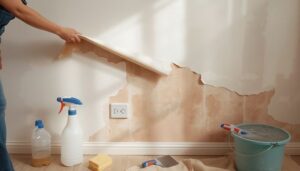
I’ve tried this approach in my own home. Results were good but not miraculous. Solid option for the price point.
I’ve tried this approach in my own home. Results were good but not miraculous. Solid option for the price point.