
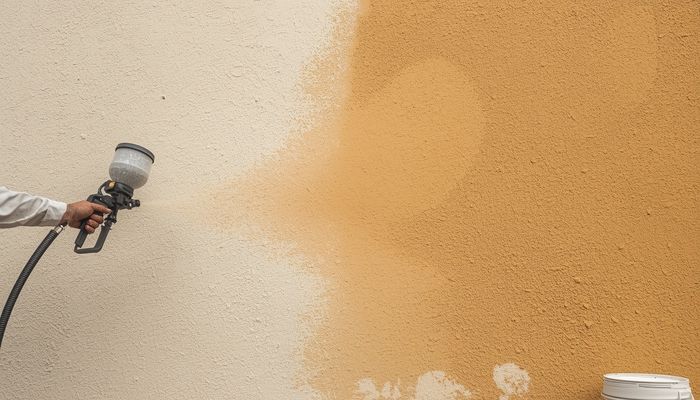
Fog Coat Explained: What It Is and Why It Matters
TL;DR: A fog coat is a thin, diluted layer of paint or coating applied to a surface to seal, unify, or prepare it for further finishing. In home improvement, it’s often used on drywall, concrete, or old paint to create a uniform base, hide stains, or improve adhesion. Think of it as a “primer’s cousin” that’s thinner and more penetrative, ideal for quick fixes or prepping tricky surfaces.
What Is a Fog Coat?
A fog coat is a very thin, low-viscosity application of paint, sealant, or coating—typically sprayed or rolled on—that “fogs” the surface rather than covering it heavily. The term comes from the misty, translucent appearance of the application, similar to fog settling on a window. It’s not a full paint job; instead, it’s a light, even layer that soaks into porous surfaces, seals minor imperfections, and creates a consistent texture or color base.
In home improvement, fog coats are most commonly used on:
- Drywall – to seal fresh joint compound and prevent “flashing” (uneven gloss) when painting.
- Concrete – to prime porous slabs before staining or sealing.
- Old paint – to hide stains (like water marks or smoke damage) without adding thick layers.
- Plaster – to stabilize powdery or chalky surfaces before repainting.
The key characteristic is its thinness: a fog coat is usually 50–75% thinner than standard paint, often mixed with water or a thinner (for oil-based products) to achieve a mist-like consistency.
How a Fog Coat Works
The science behind a fog coat is simple: it relies on low viscosity and high penetration. When you apply a fog coat, the liquid seeps into the surface’s pores, cracks, and texture rather than sitting on top. This accomplishes several things:
- Seals porosity – Porous materials like fresh drywall mud or concrete absorb paint unevenly. A fog coat fills these pores, preventing the topcoat from being sucked in and creating patchy coverage.
2. Binds loose particles – On chalky or dusty surfaces, a fog coat acts like a glue, locking down loose material so the final paint adheres properly.
3. Hides stains – The thin layer can mask minor discolorations (e.g., from water, nicotine, or marker) without the heavy buildup of a traditional primer.
4. Creates a uniform surface – After sanding or patching, a fog coat smooths out differences in texture and sheen, so the final coat looks even.
Real-world example: Imagine you’ve just mudded and sanded a drywall patch. The mud is bright white, but the surrounding wall is an off-white eggshell. If you paint directly, the mud area will absorb more paint and look darker or shinier (flashing). A fog coat of thinned paint (about 1 part paint to 2 parts water) applied to the entire wall evens out the porosity, so the final coat dries uniformly.
Why a Fog Coat Matters in Home Improvement
For homeowners, understanding fog coats can save time, money, and frustration. Here’s why it’s a valuable technique:
- Prevents “flashing” – This is the most common reason to use a fog coat. Flashing occurs when a patched area has different absorbency than the surrounding wall, causing the paint to dry with uneven sheen. A fog coat eliminates this by sealing the patch.
- Reduces paint waste – Instead of applying a full primer coat to a small patch, a fog coat uses minimal material. For a 4×4-foot drywall patch, you might use only 1–2 ounces of thinned paint.
- Works on tricky surfaces – Concrete, old plaster, and previously painted walls with stains or texture changes all benefit from a fog coat. It’s a low-cost way to prep without buying expensive specialty primers.
- Faster drying time – Because it’s so thin, a fog coat dries in 15–30 minutes (depending on humidity), compared to 1–2 hours for standard primer. This speeds up projects.
- Improves adhesion – For glossy or slick surfaces (like old enamel paint), a fog coat creates a “tooth” for the new paint to grip, reducing peeling and chipping.
Pro tip: If you’re painting a room with multiple patch jobs, a fog coat over the entire wall (not just the patches) ensures the whole surface has the same porosity, leading to a flawless finish.
Fog Coat vs Related Terms
Fog coats are often confused with other prep techniques. Here’s how they compare:
| Term | What It Is | How It Differs from Fog Coat |
|---|---|---|
| Primer | A full-coverage undercoat designed to seal, stain-block, and improve adhesion. | Primer is thicker, more opaque, and usually requires 1–2 coats. Fog coat is thinner, more penetrative, and used for minor sealing or texture evening. |
| Spot priming | Applying primer only to patched areas, not the whole wall. | Spot priming is thicker and more localized. Fog coat is often applied to the entire surface (wall or ceiling) for uniformity. |
| Skim coat | A thin layer of joint compound applied to smooth a textured wall. | Skim coat is a plaster-like material, not paint. It physically smooths the surface, while fog coat seals and unifies sheen. |
| Wash coat | A very thin, watery coat of paint used to seal porous surfaces (common in historic restoration). | Almost identical to fog coat—often used interchangeably. “Wash coat” is more common in masonry or plaster work; “fog coat” is typical in drywall finishing. |
| Sealer | A clear or tinted product that seals surfaces (e.g., concrete sealer). | Sealer is often clear and designed for waterproofing. Fog coat is usually paint-based and tinted to match the final color. |
Key takeaway: A fog coat is not a replacement for primer on heavily stained or bare surfaces—it’s a lighter, faster alternative for minor prep.
When to Use a Fog Coat
Use a fog coat in these specific scenarios:
- After drywall patching – When you’ve mudded and sanded a patch (e.g., from a hole or crack), apply a fog coat to the entire wall before painting. This prevents the patch from flashing.
- On new drywall – If you’re painting a new room, a fog coat of thinned paint over the entire drywall (after taping and mudding) can reduce the number of primer coats needed.
- On stained walls – For light water stains or marker marks, a fog coat can hide them without the heavy coverage of a stain-blocking primer. (For heavy stains, use a dedicated primer.)
- On concrete floors or walls – Before staining or sealing concrete, a fog coat of diluted concrete sealer or paint helps the topcoat adhere evenly.
- On chalky or powdery surfaces – Old plaster or exterior paint that’s “chalking” can be stabilized with a fog coat before repainting.
- When matching sheen – If you’re touching up a wall with a different sheen (e.g., flat over eggshell), a fog coat can help the new paint blend in.
When NOT to use a fog coat:
- On bare wood (use a wood primer).
- On heavily stained surfaces (use a stain-blocking primer).
- On glossy surfaces without sanding (the fog coat may peel).
- As a final finish (it’s too thin for durability).
Frequently Asked Questions About Fog Coat
1. Can I use a fog coat instead of primer?
Not always. A fog coat is a light sealer, not a full primer. Use it for minor porosity or texture issues, but for bare drywall, wood, or heavy stains, a proper primer is better. Fog coat is best as a “quick fix” for small patches or touch-ups.
2. How do I mix a fog coat?
For latex paint, mix 1 part paint with 2–3 parts water (or a paint conditioner like Floetrol) until it’s the consistency of milk. For oil-based paint, use mineral spirits. Test on a scrap surface—it should be translucent but still cover the surface when dry.
3. Can I apply a fog coat with a brush or roller?
Yes, but a sprayer is ideal for even coverage. If using a roller, use a thin-nap roller (3/8 inch) and apply in a light, even pass. A brush works for small areas, but you’ll need to work quickly to avoid streaks.
4. How long does a fog coat take to dry?
Typically 15–30 minutes at room temperature. It’s so thin that it dries fast. You can usually paint over it within an hour.
5. Will a fog coat hide joint compound texture?
It can help reduce the contrast between smooth mud and textured wall, but it won’t eliminate texture differences. For a completely smooth finish, you’d need a skim coat. Fog coat only affects porosity and sheen, not physical texture.
Now that you understand what a fog coat is and when to use it, check our guide on [How to Fix Drywall Flashing Without Repainting the Whole Room] for step-by-step
Professional Resources: For expert wall finishing and painting guides, visit This Old House Painting and Family Handyman Painting. For paint product specifications, see Sherwin-Williams and Benjamin Moore.

Does this work well in humid climates? I’m in the South and moisture is always a concern.
This answered questions I didn’t even know I had. Great practical advice here.