Why Every Home Needs Smoke and CO Detectors
TL;DR: Smoke and carbon monoxide (CO) detectors are required by code in every U.S. residence: in every bedroom, outside each sleeping area, and on every floor (smoke alarms); within 15 feet of every bedroom (CO alarms). Battery-only detectors cost $15-$40 each; hardwired interconnected detectors cost $25-$60 each plus installation. Sealed 10-year lithium battery models eliminate annual battery changes. Top brands: First Alert, Kidde, Google Nest Protect. Detector replacement is required every 10 years regardless of battery condition; this is genuinely DIY in most cases.
What Is Smoke and CO Detectors?
Smoke detectors use either photoelectric sensors (best at smoldering fires, fewer cooking false alarms) or ionization sensors (best at fast-flaming fires). Modern dual-sensor alarms include both. CO detectors use electrochemical sensors to measure carbon monoxide concentration in air. Combination smoke and CO detectors house both sensor types in one unit.
NFPA 72 and most state codes require smoke alarms inside every sleeping room, outside each separate sleeping area, and on every floor of the dwelling. CO alarms are required in every bedroom or within 15 feet of a bedroom in homes with fuel-burning appliances or attached garages. Hardwired interconnected alarms (newer construction) trigger together when any one detects; standalone battery alarms alert only locally.
How Much Does Smoke and CO Detectors Cost?
A standalone battery smoke or CO alarm costs $15-$40 each. Hardwired interconnected alarms cost $25-$60 each plus $50-$150 each for electrician installation if you are not already wired. Sealed 10-year lithium battery models cost $25-$50 and eliminate annual battery changes. Smart alarms (Google Nest Protect) cost $120-$150 each.
| Type | Per Alarm | Total Installed (5 alarms) |
|---|---|---|
| Standalone battery smoke | $15-$30 | $75-$150 |
| Combination smoke + CO battery | $30-$50 | $150-$250 |
| 10-year sealed lithium | $25-$45 | $125-$225 |
| Hardwired interconnected (new install) | $25-$60 + install | $400-$1,200 |
| Smart Wi-Fi (Nest Protect) | $120-$150 | $600-$750 |
How Long Does Smoke and CO Detectors Last?
Smoke detectors must be replaced every 10 years regardless of battery condition (the smoke chamber sensor degrades). CO detectors must be replaced every 5-10 years depending on the model (the electrochemical cell degrades). Most manufacturers print a ‘replace by’ date on the back. Sealed 10-year units self-eject the battery after 10 years to indicate end-of-life.
Can I DIY Smoke and CO Detectors?
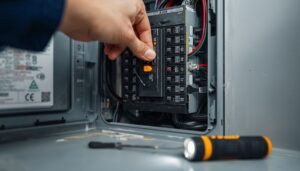
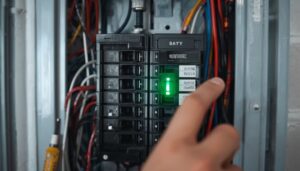
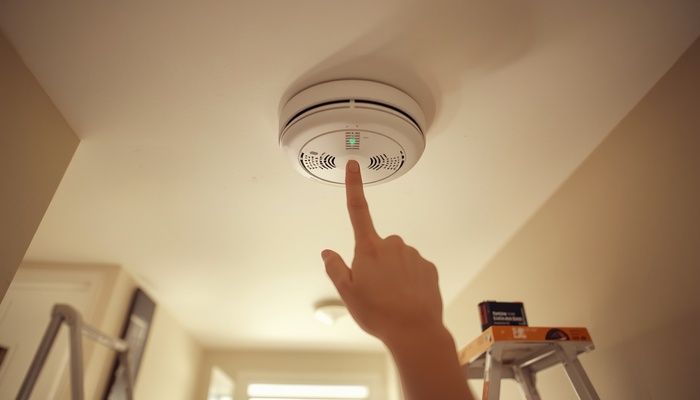
Replacing existing alarms with the same type (battery to battery, hardwired to hardwired) is genuinely DIY. For battery: twist off the old, insert battery in the new, twist onto the same mounting plate. For hardwired: turn off the breaker, twist off the old, connect the new via the included quick-connect adapter (most use the same wiring standard), twist on. New hardwired installation requires running a 14/3 or 12/3 cable from the panel through walls; this is an electrician job in most homes.
Code compliance: every U.S. jurisdiction requires smoke alarms on every floor and outside every sleeping area. CO alarms are required in homes with fuel-burning appliances or attached garages. When upgrading, install the same number or more alarms; never reduce. Buying combination smoke + CO units satisfies both requirements with fewer ceiling penetrations.
What Are the Best Smoke and CO Detectors Options?
First Alert and Kidde dominate the U.S. residential market. Both are widely available, code-compliant, and reliable. Google Nest Protect is the smart-home premium pick with phone notifications and self-test. For most homeowners, the First Alert SCO5CN combination smoke + CO with 10-year sealed battery at $35-$45 is the value pick.
| Brand | Notable Model | Type | Price |
|---|---|---|---|
| First Alert | SCO5CN | Smoke + CO, battery | $35-$50 |
| First Alert | SC9120B | Hardwired interconnect smoke + CO | $45-$60 |
| Kidde | P3010CU | Photoelectric, 10-year battery | $25-$40 |
| Kidde | 2070-VASCR | Hardwired smoke + CO | $45-$60 |
| Nest Protect 2nd Gen | Smart smoke + CO Wi-Fi | $120-$150 |
When Should I Replace or Upgrade Smoke and CO Detectors?
Replace smoke and CO alarms when: the ‘replace by’ date printed on the back has passed (10 years for smoke, 5-10 for CO), the alarm chirps after a new battery has been installed (end-of-life indicator), the test button does not produce a loud alarm, the unit has been exposed to dust, paint, smoke, or moisture damage, or you are upgrading to interconnected or smart alarms throughout the home. Replace all alarms at once for consistent end-of-life dates.
Photoelectric vs ionization smoke alarm: which is better?
Photoelectric responds faster to smoldering fires (cigarettes, electrical, furniture) which account for most residential fire deaths. Ionization responds faster to flaming fires but produces more false alarms from cooking and steam. NFPA recommends both types of detection; the easiest way is a dual-sensor alarm (First Alert SA320CN, Kidde i12010S) that combines both.
Where should I install CO detectors?
Within 15 feet of every bedroom (so they can wake sleepers). Also recommended: near attached garages, on every floor of homes with fuel-burning appliances (furnace, water heater, fireplace). Do not install within 5 feet of cooking appliances or fuel-burning appliances (false alarms from normal exhaust).
Why does my smoke alarm chirp at random?
Common causes in order: (1) low battery; replace; (2) end-of-life indicator (10-year sensor expiration); replace the unit; (3) dust or insects in the smoke chamber; vacuum gently; (4) electrical interference from nearby wiring; relocate or replace. A unit that continues chirping after fresh battery is end-of-life; replace immediately.
Do I need to interconnect my smoke alarms?
New construction requires it (NFPA 72 and most codes). Existing homes are typically grandfathered. Wireless interconnection (Kidde RF-SM-DC, First Alert SA511CN2) lets standalone battery alarms communicate without wiring, achieving the same effect for $40-$70 per alarm.