
VCT Tile Explained: What It Is and Why It Matters
TL;DR: VCT (Vinyl Composition Tile) is a durable, affordable, and low-maintenance flooring option made from a blend of vinyl resins, limestone, and plasticizers. It’s commonly used in high-traffic areas like basements, laundry rooms, and commercial spaces because it resists moisture, stains, and wear. Understanding VCT helps homeowners choose a budget-friendly floor that’s easy to install and maintain.
What Is VCT Tile?
VCT stands for Vinyl Composition Tile. It’s a type of resilient flooring manufactured from a mix of polyvinyl chloride (PVC) resins, limestone filler, plasticizers, and pigments. Unlike luxury vinyl tile (LVT), which is a single-layer product, VCT is a homogeneous material—meaning the color and pattern run all the way through the tile, not just on the surface. This makes it more resistant to scratches and scuffs because the design isn’t a printed layer that can wear off.
VCT tiles are typically 12 inches by 12 inches (12×12) and come in thicknesses of 1/8 inch (3.2 mm) or 1/16 inch (1.6 mm). The thicker 1/8-inch tiles are more common for residential use because they offer better durability and sound absorption.
How VCT Tile Works
VCT is manufactured by mixing raw materials (PVC, limestone, plasticizers, stabilizers, and pigments) under high heat and pressure. The mixture is then calendered (rolled into sheets) and cut into individual tiles. Because the tile is homogeneous, if you scratch or gouge the surface, the color underneath is the same as the top—unlike laminate or printed vinyl where the pattern is just a thin layer.
Installation involves:
- Preparing the subfloor – The floor must be clean, dry, and level. Any cracks or uneven spots need to be patched.
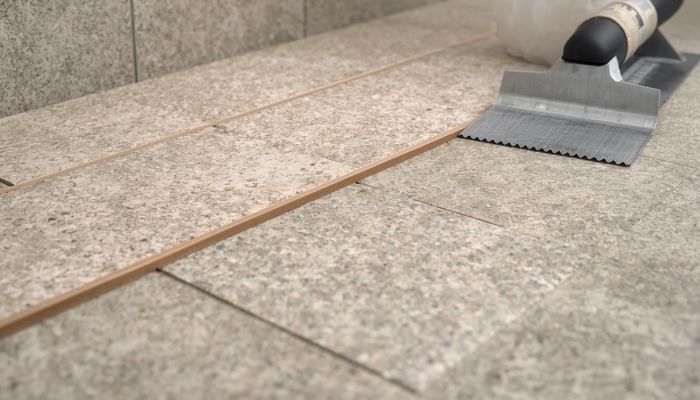
2. Applying adhesive – A special VCT adhesive (often called mastic) is spread with a notched trowel.
3. Laying tiles – Tiles are placed in a staggered pattern (like brickwork) to minimize visible seams.
4. Sealing – After installation, VCT requires a sealer (a clear acrylic coating) to protect the surface from stains and moisture. This sealer must be reapplied periodically (every 1–2 years for residential use).
VCT is not a “floating floor” like laminate or LVT click-lock systems. It is permanently glued down, which means it won’t shift or buckle, but it also means removal is labor-intensive.
Why VCT Tile Matters in Home Improvement
VCT is a practical choice for homeowners who want a durable, low-cost floor without the high price of stone or ceramic tile. Here’s why it matters:
- Cost-effective: VCT typically costs $1 to $3 per square foot for the tile itself, plus about $1 to $2 per square foot for adhesive and sealer. That’s significantly less than luxury vinyl plank ($3–$7/sq ft) or ceramic tile ($5–$15/sq ft installed).
- Moisture-resistant: VCT is water-resistant (not waterproof), so it works well in basements, laundry rooms, and bathrooms where spills happen. However, standing water can seep into seams and cause the adhesive to fail.
- Easy to clean: Regular sweeping and damp mopping with a pH-neutral cleaner keeps VCT looking good. It doesn’t require waxing—just periodic resealing.
- High traffic tolerance: Because the color runs through the tile, scratches and scuffs are less noticeable than on printed flooring. Schools, hospitals, and retail stores use VCT for this reason.
Real-world example: A 200-square-foot basement floor can be covered with VCT for around $400 in materials, compared to $1,200+ for ceramic tile. With proper sealing, it can last 15–20 years in a residential setting.
VCT Tile vs Related Terms
| Feature | VCT (Vinyl Composition Tile) | LVT (Luxury Vinyl Tile) | Ceramic/Porcelain Tile |
|---|---|---|---|
| Material | Homogeneous mix of PVC, limestone, plasticizers | Multi-layer: wear layer, printed design, core layer | Fired clay with glaze |
| Thickness | 1/16″ to 1/8″ | 2mm to 8mm (with attached underlayment) | 3/8″ to 1/2″ |
| Cost per sq ft | $1–$3 | $3–$7 | $5–$15 |
| Durability | Good (color runs through) | Very good (thick wear layer) | Excellent (hard surface) |
| Water resistance | Water-resistant (seams vulnerable) | Waterproof (if click-lock or glue-down) | Waterproof |
| Installation | Glue-down only | Glue-down or click-lock (floating) | Thinset mortar + grout |
| Maintenance | Needs sealing every 1–2 years | No sealing required | Grout cleaning needed |
| Best for | Basements, laundry rooms, garages | Kitchens, bathrooms, living rooms | Showers, entryways, kitchens |
Key difference: VCT is a budget-friendly, homogeneous tile that requires sealing to protect it. LVT is a more expensive, multi-layer product that doesn’t need sealing and often looks more realistic (wood or stone patterns). Ceramic tile is hard, waterproof, and long-lasting but is cold, hard, and expensive to install.
When to Use VCT Tile
VCT is ideal for specific home improvement projects:
- Basements – Its moisture resistance and low cost make it a top choice for below-grade spaces.
2. Laundry rooms – Handles occasional water spills and heavy foot traffic from appliances.
3. Home gyms or workshops – Withstands dropped tools, weights, and constant movement without showing wear.
4. Mudrooms or entryways – Easy to clean dirt and mud. Just sweep or mop.
5. Rental properties or flips – Low upfront cost and decent durability appeal to budget-conscious landlords.
Avoid VCT if: You want a waterproof floor (use LVT or ceramic instead), you prefer a floating floor that’s easy to replace later, or you want a floor that doesn’t require periodic sealing.
Frequently Asked Questions About VCT Tile
Q: Is VCT tile the same as vinyl sheet flooring?
No. Vinyl sheet flooring comes in rolls (6–12 feet wide) and is a single-layer product with a printed design. VCT is individual tiles that are glued down, and the color runs through the entire tile. Sheet vinyl is more waterproof (fewer seams) but harder to repair if damaged.
Q: Do I need to seal VCT tile after installation?
Yes. VCT is porous and absorbs stains if left unsealed. A sealer (acrylic-based) must be applied after installation and reapplied every 1–2 years. Without sealing, the tile can discolor from spills or dirt.
Q: Can I install VCT tile over concrete?
Yes, concrete is the most common subfloor for VCT. The concrete must be clean, dry, and free of moisture vapor issues (test with a moisture meter). For wood subfloors, you need a layer of plywood or underlayment to ensure a smooth, flat surface.
Q: How long does VCT tile last in a home?
With proper installation and regular sealing, VCT can last 15–20 years in residential settings. In commercial spaces (schools, hospitals), it often lasts 10–15 years due to heavier traffic.
Q: Can you install VCT tile in a bathroom?
Yes, but it’s not ideal. VCT is water-resistant, not waterproof. In a bathroom, water can seep into seams and cause the adhesive to fail or the tile to lift. If you choose VCT for a bathroom, ensure the floor is well-sealed and avoid standing water. LVT or ceramic tile are better options for wet areas.
Now that you understand VCT tile, check our guide on [How to Install VCT Tile: A Step-by-Step DIY Guide] or compare it with [Luxury Vinyl Plank vs VCT: Which Flooring Is Right for You?] to make an informed decision for your next project.
Flooring Industry Standards: For official grading standards and installation guidelines, consult the National Wood Flooring Association (NWFA) and the World Floor Covering Association (WFCA). The Family Handyman also offers excellent DIY flooring installation guides.
Thanks for this breakdown. Bookmarked for my upcoming project — exactly what I needed.
This answered questions I didn’t even know I had. Great practical advice here.