
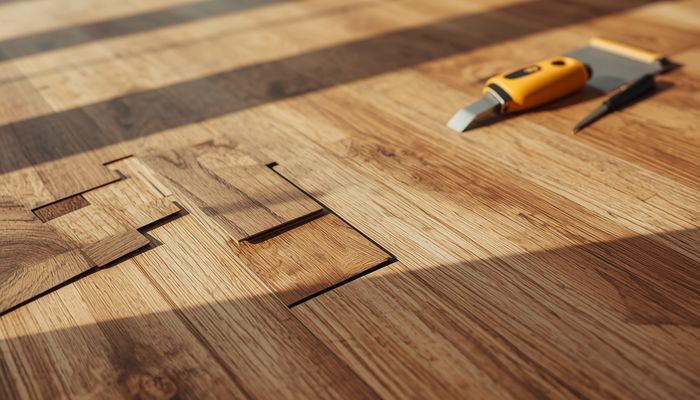
LVT Explained Simply: What It Is and Why It Matters
TL;DR: LVT (Luxury Vinyl Tile) is a durable, waterproof flooring option that mimics the look of natural materials like wood or stone at a lower cost. It’s popular in home improvement because it’s easy to install, comfortable underfoot, and holds up well in high-moisture areas like kitchens and bathrooms.
What Is LVT?
LVT stands for Luxury Vinyl Tile. It’s a type of resilient flooring made from multiple layers of synthetic materials, designed to look like natural stone, ceramic tile, or hardwood—but without the high price tag or maintenance headaches. LVT is typically sold as planks (for wood looks) or tiles (for stone or ceramic looks).
Unlike basic sheet vinyl, LVT is thicker (usually 4–8 mm), has a rigid or flexible core, and comes with a wear layer that protects against scratches, stains, and fading. Many homeowners choose LVT because it’s 100% waterproof, making it ideal for bathrooms, basements, and kitchens.
How LVT Works
LVT is constructed in layers, each serving a specific purpose:
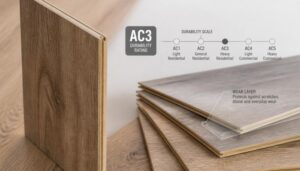
- Wear layer: A clear, tough top coat (measured in mils, typically 12–20 mils for residential use) that resists scratches, stains, and UV fading.
- Print layer: A high-resolution photographic image that gives the floor its realistic wood grain, stone texture, or tile pattern.
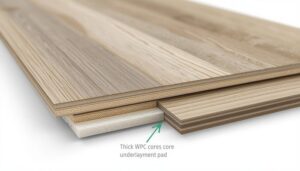
- Core layer: The main body of the plank or tile. It can be rigid core (stone-plastic composite or wood-plastic composite) for stability, or flexible core for easier cutting and fitting.
- Backing layer: A foam or cork underlayment that provides cushioning, sound absorption, and a moisture barrier.
Installation methods vary:
- Click-lock: Planks snap together like puzzle pieces, floating over the subfloor without glue.
- Glue-down: Tiles or planks are adhered directly to the subfloor using adhesive.
- Loose lay: Heavy planks stay in place by friction, no glue or locking needed.
LVT works because its layered construction combines durability with flexibility. The core absorbs minor subfloor imperfections, while the wear layer protects against daily abuse. The waterproof nature means spills won’t warp or damage the floor.
Why LVT Matters in Home Improvement
LVT has become a go-to choice for homeowners who want the look of hardwood or stone without the cost, maintenance, or moisture concerns. Here’s why it matters:
- Waterproof performance: Unlike hardwood (which can warp) or laminate (which can swell), LVT can handle standing water for short periods. This makes it safe for bathrooms, laundry rooms, and basements.
- Cost-effective: LVT costs – per square foot installed, compared to –5 for hardwood or 0–0 for ceramic tile.
- Comfort and quiet: The built-in underlayment makes LVT softer underfoot and quieter than tile or hardwood—important for multi-story homes.
- DIY-friendly: Click-lock LVT can be installed by a homeowner with basic tools (utility knife, tape measure, spacers). No glue, nails, or special saws needed.
- Easy maintenance: Sweep or vacuum regularly, mop with a damp cloth and mild cleaner—no waxing, sealing, or sanding required.
For example, a family with dogs and kids might install LVT in a kitchen because it resists scratches from pet claws and cleans up easily after spills. A homeowner finishing a basement might choose LVT because it doesn’t require a vapor barrier and can be installed directly over concrete.
LVT vs Related Terms
| Term | What It Is | Key Difference from LVT |
|---|---|---|
| Laminate flooring | A layered product with a photographic layer but a fiberboard core | Laminate is NOT waterproof; water can swell and ruin the core. LVT is waterproof. |
| Sheet vinyl | A single roll of vinyl flooring, typically 6–12 feet wide | Sheet vinyl has fewer seams but is thinner and less realistic-looking than LVT. |
| Engineered hardwood | Real wood veneer over a plywood core | Engineered wood is more expensive, can be refinished, but is still susceptible to moisture damage. |
| Luxury vinyl plank (LVP) | Same as LVT but shaped like planks to mimic wood | LVP is a subset of LVT; LVT includes both planks and tiles. |
| Rigid core vinyl | LVT with a dense, stone-plastic composite core | Rigid core is more stable and less prone to dents than flexible LVT. |
The key takeaway: LVT is waterproof, realistic-looking, and DIY-friendly—unlike laminate (not waterproof) or engineered hardwood (expensive and moisture-sensitive).
When to Use LVT
LVT is a great choice in these situations:
- Bathrooms and kitchens: Any room with frequent moisture or spills. LVT won’t warp or rot like wood.
- Basements: Concrete subfloors are common in basements. LVT can be installed directly over concrete, even below grade.
- High-traffic areas: Entryways, hallways, and family rooms benefit from LVT’s scratch and stain resistance.
- Homes with pets or kids: LVT handles claws, dropped toys, and muddy shoes better than hardwood or laminate.
- Rentals or flips: LVT offers a high-end look at a lower cost, which can increase property value without breaking the budget.
Avoid LVT if:
- You want a floor that can be sanded and refinished multiple times (choose hardwood instead).
- You prefer the authentic feel of natural stone or ceramic tile underfoot.
- You’re on a very tight budget—basic sheet vinyl may cost less.
Installation tip: LVT needs a smooth, clean subfloor. Any bumps or debris will show through the planks over time. Use a self-leveling compound if needed.
Frequently Asked Questions About LVT
1. Is LVT the same as vinyl plank flooring?
Not exactly. LVT is a broad category that includes both planks (LVP) and tiles. LVP is just one shape of LVT. So all LVP is LVT, but not all LVT is LVP.
2. Can LVT be installed over existing tile?
Yes, as long as the existing tile is clean, level, and well-adhered. Use a click-lock LVT that floats over the old floor. Glue-down LVT may not bond well to glossy tile.
3. How long does LVT last?
With proper care, LVT can last 10–20 years in residential use. The wear layer thickness (measured in mils) is the biggest factor—thicker wear layers last longer.
4. Is LVT toxic or off-gas?
Most modern LVT is low-VOC and phthalate-free. Look for products certified by FloorScore or GREENGUARD for indoor air quality assurance.
5. Can LVT be used in a shower?
No. While LVT is waterproof, standing water (like in a shower pan) can seep between planks and damage the subfloor. Use LVT on the bathroom floor, but not inside the shower itself.
Now that you understand LVT, check our guide on [How to Install Click-Lock LVT Flooring] for step-by-step instructions and tool lists.
Flooring Industry Standards: For official grading standards and installation guidelines, consult the National Wood Flooring Association (NWFA) and the World Floor Covering Association (WFCA). The Family Handyman also offers excellent DIY flooring installation guides.
🔧 Need the right tools? Check out our recommended tool kit for home improvement projects on Amazon.

This answered questions I didn’t even know I had. Great practical advice here.
Used luxury vinyl in three flips last year. Quick to install and instantly makes a house look updated.