
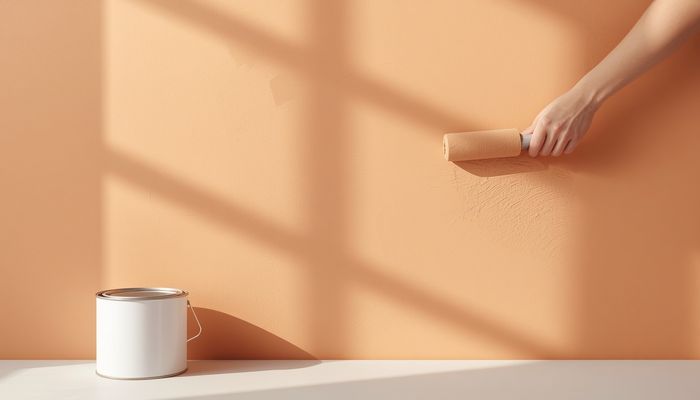
Flat Finish Explained: What It Is and Why It Matters
TL;DR: A flat finish (also called matte finish) is a paint sheen with no noticeable gloss or shine. It hides wall imperfections better than any other finish and gives a velvety, non-reflective look. However, it’s less durable and harder to clean than glossier finishes, making it best for low-traffic areas like bedrooms and ceilings.
What Is a Flat Finish?
A flat finish is a type of paint sheen that produces a completely non-reflective surface when dry. Unlike eggshell, satin, or semi-gloss paints, flat paint scatters light in all directions, so it doesn’t shine or glare when viewed from any angle. This creates a smooth, matte appearance that feels soft and almost chalky to the touch.
In the paint industry, sheen is measured on a scale from 0 (completely flat) to 100 (mirror-like gloss). Flat finishes typically fall between 0 and 10 on this scale, meaning they reflect almost no light. Most flat paints are water-based (latex) formulas, though oil-based flat paints exist for specialty applications.
The key characteristic of flat finish is its lack of reflectivity. If you hold a flat-painted surface under a bright light, you won’t see any highlights or glares—just a uniform, even color.
How Flat Finish Works
Flat finish paint achieves its non-reflective look through its pigment-to-binder ratio. Flat paints contain a higher concentration of solid pigments and less binder (the resin that holds the paint together and gives it durability). The extra pigment particles create a rough, microscopic surface that scatters incoming light in many directions rather than reflecting it back in a single beam.
This rough surface is why flat paint feels slightly textured—like fine sandpaper—when dry. The pigment particles stick up from the paint film, breaking up light and preventing shine. However, this same texture makes flat paint more porous and absorbent than glossier finishes.
When applied, flat paint also dries faster than glossier paints because the thinner binder layer allows moisture to evaporate more quickly. This can be an advantage for quick projects but also means you have less time to work with the paint before it sets.
Why Flat Finish Matters in Home Improvement
Flat finish matters because it solves one of the biggest problems homeowners face: hiding wall imperfections. No other paint sheen hides flaws as effectively. Here’s why that matters:
- Covers drywall seams: New drywall has taped seams that can show through glossier paints. Flat finish absorbs light, making these seams virtually disappear.
- Hides patching and repairs: If you’ve filled nail holes, patched cracks, or repaired dents, flat paint will mask these repairs much better than eggshell or satin.
- Conceals uneven texture: Walls with orange peel, knockdown, or skip trowel texture look more uniform under flat paint because there’s no light to catch on the bumps.
- Reduces glare: In rooms with large windows or bright artificial light, flat finish eliminates distracting reflections on walls, making the space feel calmer.
However, flat finish has a major downside: it’s not washable. The porous surface traps dirt and grime, and scrubbing with a sponge or cloth will remove the paint itself, leaving shiny patches. This makes flat paint a poor choice for kitchens, bathrooms, hallways, and kids’ rooms where walls get dirty or touched frequently.
Flat Finish vs Related Terms
Homeowners often confuse flat finish with other low-sheen paints. Here’s how they compare:
| Sheen | Gloss Level | Light Reflection | Best Use |
|---|---|---|---|
| Flat | 0–10 | None | Ceilings, low-traffic bedrooms, hiding flaws |
| Matte | 10–20 | Very low | Living rooms, adult bedrooms (slightly more durable than flat) |
| Eggshell | 20–35 | Low, like an eggshell | Living rooms, dining rooms, hallways |
| Satin | 35–50 | Medium, subtle shine | Kitchens, bathrooms, trim |
| Semi-gloss | 50–70 | High shine | Doors, cabinets, moldings |
| Gloss | 70–100 | Mirror-like | High-traffic trim, furniture |
Flat vs Matte: These terms are often used interchangeably, but true matte has slightly more binder and a very faint sheen (10–20). Matte is more durable than flat and can withstand light cleaning, making it a better choice for living rooms.
Flat vs Eggshell: Eggshell has a visible low sheen and is much more washable than flat. Eggshell is the most popular wall paint in the U.S. because it balances hide and cleanability.
Flat vs Satin: Satin has a noticeable shine and is fully washable. It’s used in high-moisture areas like bathrooms but will highlight every imperfection.
When to Use Flat Finish
Use flat finish in these specific situations:
- Ceilings: Flat paint is the standard for ceilings because it hides imperfections and doesn’t reflect light from overhead fixtures.
- Low-traffic bedrooms: Master bedrooms and guest rooms where walls rarely get touched.
- Formal living and dining rooms: Rooms used for special occasions where walls won’t be bumped or stained.
- Home theaters and media rooms: The non-reflective surface prevents light bounce from screens.
- Hiding problem walls: If you have old plaster with cracks, patched drywall, or uneven texture, flat paint is your best option.
- Accent walls: A flat accent wall can create a soft, sophisticated look that contrasts with glossier adjacent walls.
Avoid flat finish in:
- Kitchens (grease splatters won’t wipe off)
- Bathrooms (moisture causes mildew and staining)
- Kids’ rooms and playrooms (fingerprints and crayon marks)
- Hallways and entryways (high contact with hands and bags)
- Baseboards and trim (needs to be cleaned regularly)
If you want flat’s hide but need more durability, consider washable flat paints. Brands like Benjamin Moore (Regal Matte), Sherwin-Williams (Emerald Flat), and Behr (Marquee Flat) now offer flat paints with stain-resistant technology that can be gently cleaned with a damp cloth.
Frequently Asked Questions About Flat Finish
Q: Can I clean flat paint?
A: Traditional flat paint cannot be cleaned—scrubbing removes the paint. However, modern “washable flat” paints can handle gentle spot cleaning with a damp microfiber cloth. Always test in an inconspicuous area first.
Q: Does flat paint make a room look darker?
A: Yes, flat paint absorbs more light than glossier finishes, which can make a room feel smaller and darker. To compensate, use lighter colors (white, cream, light gray) and ensure adequate lighting.
Q: Can I paint over flat paint with a different sheen?
A: Yes, but you must prime first if switching to eggshell, satin, or gloss. The porous flat surface will absorb the new paint unevenly, causing lap marks and sheen inconsistencies. A coat of primer seals the flat paint and creates a uniform base.
Q: Is flat paint more expensive than other finishes?
A: Generally, flat paint costs the same as eggshell or satin from the same brand and quality level. However, you may need more coats because flat paint has lower coverage per gallon (typically 250–300 sq ft per gallon vs 350–400 for eggshell).
Q: How long does flat paint last on walls?
A: Flat paint lasts 3–5 years in low-traffic areas before showing wear. In high-traffic zones, it may need touch-ups or repainting every 1–2 years. Glossier paints can last 5–10 years with proper maintenance.
Now that you understand flat finish, check our guide on [How to Choose the Right Paint Sheen for Every Room] to match your project’s needs.
Professional Paint Resources: For detailed sheen specifications and product data sheets, see Sherwin-Williams and Benjamin Moore. The ASTM D4213 standard covers scrub resistance testing for interior paints. For step-by-step painting guides, visit This Old House Painting.



This answered questions I didn’t even know I had. Great practical advice here.
Exactly the kind of practical info homeowners need. Clear, concise, and actionable.