
“`html
Eggshell Finish Explained: What It Is and Why It Matters in Home Improvement
TL;DR: Wondering what is eggshell finish in home improvement? It’s a paint sheen that offers a soft, velvety look with just a hint of shine — much like the surface of an actual eggshell. It falls between flat and satin on the gloss scale, hiding wall imperfections better than shinier paints while still being washable enough for most living spaces. Homeowners choose it for low-traffic rooms like living rooms and bedrooms because it balances beauty with practical durability.
What Is Eggshell Finish?
An eggshell finish is a type of paint sheen that has a low luster, reflecting only about 10-25% of light when dry. The name comes from the resemblance to the smooth, slightly shiny surface of a chicken egg — not glossy, but not completely dull either. In the paint aisle, you’ll see sheens ranging from completely matte (no shine) to high gloss (very shiny), and eggshell sits comfortably in the lower-middle of that spectrum. When you rub your fingers across a wall painted with eggshell, it feels smooth and almost suede-like, without the visible plastic-like coating you get from glossier paints.
Technically, eggshell finish is defined by the amount of binder resin in the paint formula. The binder is what creates the protective film as the paint dries. Eggshell formulations have more binder than flat paints, which is why they resist moisture and scuffs slightly better, but less binder than satin or semi-gloss, keeping that soft appearance. Most major paint brands offer an eggshell option, and it’s especially popular for interior walls in residential settings.
How Eggshell Finish Works
Paint sheen is all about how light bounces off the surface. In a flat or matte paint, light scatters in many directions because the surface is microscopically rough. That roughness hides imperfections like nail holes, drywall seams, and uneven texture. Eggshell has a slightly smoother surface than flat, which means it reflects a bit more light in a uniform direction — giving that subtle glow. But it’s still rough enough at the microscopic level to scatter light more than satin or semi-gloss, which is why it doesn’t highlight every wall flaw the way glossier paints do.
The practical effect is this: in a room with moderate natural light, an eggshell wall will look soft and warm. Under direct light, you’ll see a gentle sheen that adds depth without being flashy. The finish also has a slight “open time” advantage — it stays workable a bit longer than flat paint, making it easier to blend touch-ups without leaving visible patches.
Eggshell vs. Related Terms
To truly understand eggshell finish, you need to see how it stacks up against its neighbors on the sheen spectrum. Here’s a direct comparison of the four most common interior wall finishes:
| Property | Flat / Matte | Eggshell | Satin | Semi-Gloss |
|---|---|---|---|---|
| Light Reflectance | 0-10% (no shine) | 10-25% (soft glow) | 25-35% (noticeable sheen) | 35-55% (distinct shine) |
| Imperfection Hiding | Excellent — hides everything | Good — hides most flaws | Fair — shows some bumps | Poor — highlights every defect |
| Washability / Scrub Resistance | Poor — stains easily, can’t scrub | Fair to Good — light scrubbing OK | Good — handles regular cleaning | Excellent — very durable, scrubbable |
| Typical Scrub Cycles (ASTM D2486) | 200-400 cycles | 500-800 cycles | 800-1,200 cycles | 1,500+ cycles |
| Best For | Ceilings, low-traffic bedrooms | Living rooms, dining rooms, adult bedrooms | Hallways, kids’ rooms, kitchens | Bathrooms, trim, cabinets, doors |
| Touch-Up Ease | Excellent — blends easily | Good — blends with care | Fair — may flash | Poor — often shows patches |
| Price per Gallon (2024 avg) | $25-$40 | $30-$50 | $35-$55 | $35-$60 |
When to Choose Eggshell vs. Flat
Flat paint is the king of hiding imperfections. If you have old walls with lots of patching, uneven texture, or you’re painting a ceiling, flat is your best bet — it will make those flaws disappear. But flat paint is fragile. A single fingerprint can be nearly impossible to clean without removing paint. Eggshell gives you a similar soft look but with about twice the scrub resistance (500-800 cycles vs. 200-400 for flat).
Choose eggshell over flat when: You want a slightly more durable wall in a living room or adult bedroom where you might need to wipe off the occasional smudge, but you don’t want the shiny look of satin. Eggshell also works well in rooms with moderate natural light — the subtle sheen adds warmth without glare.
Stick with flat when: The walls are in rough shape, you’re painting a ceiling, or the room gets very little light and you want to avoid any sheen highlighting uneven surfaces.
When to Choose Eggshell vs. Satin
Satin is the next step up in durability and shine. It reflects 25-35% of light, giving a noticeable pearl-like finish. Satin handles frequent cleaning much better than eggshell, making it ideal for hallways, kids’ rooms, and kitchens. But satin also reveals more wall imperfections — every drywall seam, nail pop, or patch will be more visible.
Choose eggshell over satin when: Your walls aren’t perfectly smooth, you prefer a softer, more traditional look, and the room won’t see heavy abuse. Eggshell is the sweet spot for formal living rooms, dining rooms, and master bedrooms where you want elegance without the “plastic” feel of glossier paints.
Choose satin when: You need washability in a high-traffic area like a hallway or kid’s room, or you’re painting a kitchen where grease splatters are common. Just be prepared to do extra wall prep to ensure the surface is smooth.
Cost Comparison
Price differences between sheens are relatively small, but they add up on a large project. Here’s a realistic breakdown based on 2024 prices from major brands like Sherwin-Williams, Benjamin Moore, and Behr:
- Flat paint: $25-$40 per gallon — cheapest option, but you’ll likely need to repaint sooner in high-touch areas.
- Eggshell paint: $30-$50 per gallon — roughly 15-20% more than flat, but the added durability often saves money long-term.
- Satin paint: $35-$55 per gallon — similar to eggshell, but premium brands charge more for the higher binder content.
- Semi-gloss: $35-$60 per gallon — the most expensive, but also the most durable for trim and high-moisture areas.
For a typical 12×12 bedroom (about 400 square feet of wall area), you’ll need about 2 gallons. The difference between using eggshell ($40/gal) and flat ($32/gal) is only $16 total. For that small premium, you get a wall that can be gently cleaned and won’t show every scuff. Most contractors I know recommend eggshell as the default for living spaces precisely because the cost difference is negligible for the performance gain.
Application Best Practices
Getting the best results with eggshell finish requires a slightly different approach than flat paint:
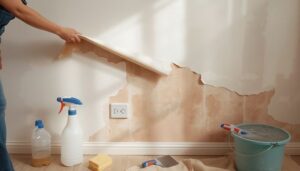
- Surface preparation is critical. Eggshell will show more imperfections than flat, so spend time spackling holes, sanding smooth, and priming. Use a 120-150 grit sandpaper for final sanding.
- Use a high-quality primer. A good primer (like Sherwin-Williams Multi-Purpose or Benjamin Moore Fresh Start) ensures uniform absorption and prevents flashing. Tint the primer to your final color for best coverage.
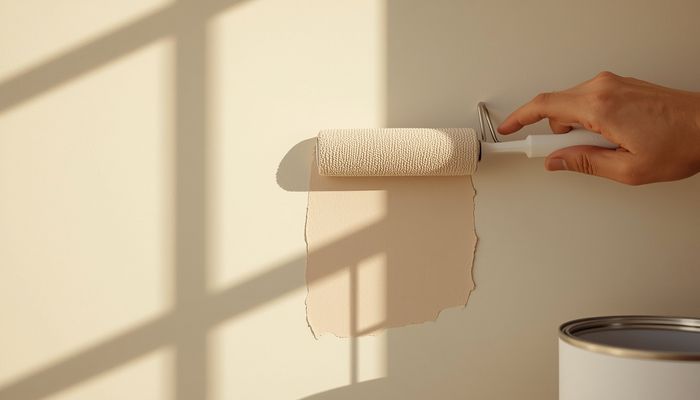
- Choose the right tools. A 3/8-inch nap microfiber roller cover for smooth walls, or a 1/2-inch nap for lightly textured walls. Avoid foam rollers — they can leave bubbles in eggshell paint.
- Maintain a wet edge. Eggshell dries faster than flat, so work in 4×4 foot sections and keep a “wet edge” to avoid lap marks. Roll from dry area into wet area.
- Two coats are mandatory. One coat of eggshell rarely provides full coverage, especially with deep colors. Plan for two coats, waiting 2-4 hours between them (check manufacturer instructions).
- Don’t over-roll. Eggshell can “pick up” if you overwork it. Apply paint, lay it off in one direction, and leave it alone. Over-rolling creates texture and uneven sheen.
- Temperature matters. Paint between 50-85°F (10-30°C) with low humidity. Cold or humid conditions cause eggshell to dry with a blotchy appearance.
Frequently Asked Questions
1. Can I use eggshell finish in a bathroom?
It’s not ideal. Bathrooms have high humidity and frequent condensation. Eggshell can handle occasional moisture, but over time, steam can cause it to blister or peel. For bathrooms, use satin (for walls) or semi-gloss (for trim and ceilings). If you must use eggshell in a low-moisture half-bath, ensure excellent ventilation and use a mold-resistant primer.
2. How do I clean eggshell walls without damaging the finish?
Use a soft microfiber cloth or sponge dampened with warm water and a mild dish soap (like Dawn). Gently dab — don’t scrub aggressively. Rinse with a clean damp cloth and dry immediately. Avoid abrasive cleaners, magic erasers, or bleach-based products. For tough stains, try a mixture of 1 tablespoon baking soda in 1 quart of water. Always test in an inconspicuous area first.
3. Is eggshell finish good for kitchen walls?
It depends on the area. For kitchen walls that are away from the stove and sink, eggshell works fine — it can handle occasional splatters with gentle cleaning. But for the backsplash area or behind the stove, semi-gloss is better because it withstands grease and frequent scrubbing. Many homeowners use eggshell on upper kitchen walls and semi-gloss on lower walls or backsplashes.
4. Can I paint over eggshell with another sheen?
Yes, but proper preparation is key. If you’re going from eggshell to flat, you can usually paint directly after light sanding and cleaning. If going from eggshell to satin or semi-gloss, you must sand the eggshell surface thoroughly (220 grit) and apply a quality primer. The smoother the base, the more the new sheen will show imperfections. Always test a small area first.
5. Does eggshell finish yellow over time?
All paint can yellow, especially in areas with low light or exposure to cigarette smoke, grease, or UV light. Eggshell is less prone to yellowing than flat (because it has more binder), but it’s not as UV-stable as semi-gloss. To minimize yellowing, choose a paint with a high-quality acrylic resin (like 100% acrylic) rather than vinyl-acrylic blends. Also, avoid painting walls behind furniture that blocks light — those areas will yellow faster.
6. How many coats of eggshell paint do I need for good coverage?
Always plan for two coats, even if the first coat looks decent. Eggshell has less pigment per volume than flat paint, so coverage can be inconsistent in one coat. With a good primer and two finish coats, you’ll get uniform color and sheen. For dramatic color changes (e.g., going from dark red to light beige), you may need three coats or a tinted primer.
Professional Paint Resources: For detailed sheen specifications and product data sheets, see Sherwin-Williams and Benjamin Moore. The ASTM D4213 standard covers scrub resistance testing for interior paints. For step-by-step painting guides, visit This Old House Painting.
“`

I’ve tried this approach in my own home. Results were good but not miraculous. Solid option for the price point.
Exactly the kind of practical info homeowners need. Clear, concise, and actionable.