
R-Value Explained Simply: What It Is and Why It Matters
TL;DR: R-value measures how well insulation resists heat flow. The higher the R-value, the better the insulation. In home improvement, R-value determines how much energy your home saves on heating and cooling, and the right R-value depends on your climate, where you’re insulating, and local building codes.
What Is R-Value?
R-value is a number that tells you how effectively a material stops heat from moving through it. Think of it like a winter coat: a coat with a higher R-value keeps you warmer because it traps more body heat. Similarly, insulation with a high R-value keeps indoor heat inside during winter and outdoor heat outside during summer.
The “R” stands for resistance—specifically, resistance to conductive heat flow. The scale is linear, meaning an R-value of 20 is twice as effective as an R-value of 10. R-values are typically measured per inch of material thickness, but the total R-value of an assembly (like a wall or attic) is the sum of all layers.
For example:
- Fiberglass batt insulation: R-2.9 to R-3.8 per inch
- Spray foam insulation: R-3.5 to R-6.5 per inch
- Rigid foam board: R-4.0 to R-6.5 per inch
- Cellulose (blown-in): R-3.2 to R-3.7 per inch
Important: R-value is not affected by thickness alone. Different materials have different inherent R-values per inch. A 6-inch layer of fiberglass (R-19) is not the same as a 6-inch layer of spray foam (R-21 to R-39).
How R-Value Works
Heat naturally moves from warmer areas to cooler areas. In winter, heat escapes your home through walls, ceilings, floors, and windows. In summer, heat enters your home the same way. Insulation slows this heat transfer.
R-value works by trapping tiny pockets of air (or gas) within the material. Air is a poor conductor of heat, so those trapped pockets act as barriers. The more pockets and the smaller they are, the better the insulation.
Three key factors affect R-value:
- Material type: Fiberglass, cellulose, foam, and mineral wool all have different R-values per inch.
2. Density: Denser materials (like closed-cell spray foam) often have higher R-values per inch because they trap more air pockets.
3. Installation quality: Gaps, compression, or moisture drastically reduce effective R-value. Even a 5% gap in insulation can reduce overall performance by 50%.
Real-world example: An uninsulated attic in a cold climate might lose 30-40% of a home’s heat. Adding R-38 insulation (about 12 inches of fiberglass) can cut that heat loss by 75-90%.
Why R-Value Matters in Home Improvement
R-value directly impacts your home’s energy efficiency, comfort, and utility bills. Here’s why it’s critical:
- Energy savings: Higher R-value means less heat escapes in winter and less heat enters in summer. The U.S. Department of Energy estimates that proper insulation can reduce heating and cooling costs by 15-20% on average.
- Comfort: Consistent indoor temperatures reduce drafts, cold spots, and overheating. Rooms stay warmer in winter and cooler in summer.
- Moisture control: Some insulation types (like closed-cell spray foam) also act as vapor barriers, preventing moisture buildup that can lead to mold and rot.
- Building code compliance: Most local building codes specify minimum R-values for different parts of a home (attic, walls, floors, basements). Failing to meet these can delay permits or inspections.
- Resale value: Energy-efficient homes with proper insulation appraise higher and sell faster.
Which R-value do you need? It depends on your climate zone. The U.S. Department of Energy divides the country into zones 1-7 (1 is hottest, 7 is coldest). For example:
- Zone 1 (Florida, Texas): Attic R-30 to R-49
- Zone 4 (Mid-Atlantic, Pacific Northwest): Attic R-38 to R-60
- Zone 7 (Minnesota, Maine): Attic R-49 to R-60
Check your local building department or use the DOE’s zip code tool for specific recommendations.
R-Value vs Related Terms
Homeowners often confuse R-value with other insulation metrics. Here’s how they differ:
| Term | What It Measures | Key Difference |
|
Official R-Value Resources: For the most up-to-date R-value recommendations by region, visit the U.S. Department of Energy and ENERGY STAR. Both provide free, region-specific insulation calculators and climate zone maps to help you choose the right R-value for your home.
——|——————|—————-|
| R-Value | Resistance to heat flow | Higher is better; measures insulation effectiveness |
| U-Value | Heat transfer rate (inverse of R-value) | Lower is better; used for windows and doors |
| K-Value | Thermal conductivity of a material | Lower is better; used in engineering |
| C-Value | Thermal conductance of an assembly | Lower is better; used for specific wall systems |
| Thermal mass | Ability to store heat (like concrete) | Not the same as insulation; helps moderate temperature swings |
Key distinction: R-value is about stopping heat flow. Thermal mass is about absorbing and releasing heat slowly. A brick wall has high thermal mass but low R-value, so it needs additional insulation to be energy-efficient.
When to Use R-Value
You’ll encounter R-value in almost every insulation project. Here are the most common scenarios:
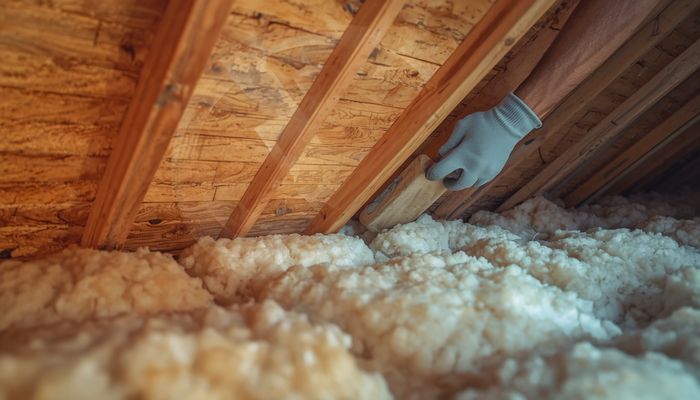
- Attic insulation: This is the most impactful place to add insulation. Aim for R-38 to R-60 depending on climate.
- Wall insulation: Existing walls typically have R-13 to R-21. New construction can achieve R-21 to R-30 with advanced framing and foam.
- Basement and crawlspaces: Use R-10 to R-20 for basement walls and R-19 to R-30 for crawlspace floors.
- Ductwork: Insulate ducts in unconditioned spaces (attics, basements) with R-6 to R-8.
- Windows: While windows are rated by U-value, adding storm windows or insulated panels can improve overall R-value.
When NOT to rely solely on R-value:
- If moisture is a concern (e.g., basements), choose insulation that resists water damage (rigid foam or closed-cell spray foam).
- If you have limited space (e.g., thin walls), use high-R-per-inch materials like spray foam.
- If you’re on a tight budget, fiberglass batts offer good R-value per dollar.
Frequently Asked Questions About R-Value
Q: Can I have too much insulation?
A: Generally, no. More insulation almost always improves energy efficiency. However, in some cases (like attics with poor ventilation), adding too much insulation can trap moisture. Follow local code recommendations—they’re designed to balance performance and safety.
Q: Does R-value decrease over time?
A: Yes, some insulation types settle or degrade. Fiberglass and cellulose can settle 10-20% over 10-20 years, reducing their effective R-value. Spray foam and rigid foam maintain their R-value much longer (50+ years). Check insulation every 10 years and top off as needed.
Q: Is higher R-value always worth the extra cost?
A: Not always. The law of diminishing returns applies. Going from R-30 to R-40 in an attic saves noticeable energy, but going from R-40 to R-50 saves much less. Use a cost-benefit calculator (many are free online) to find the sweet spot for your climate and budget.
Q: Can I mix different types of insulation?
A: Yes, but carefully. For example, you can add blown-in cellulose over existing fiberglass batts, but avoid mixing materials that trap moisture (like fiberglass over spray foam without a vapor barrier). Always consult a professional for mixed installations.
Q: How do I measure R-value in my home?
A: You can’t measure R-value directly without special equipment. Instead, measure the thickness of your existing insulation and multiply by the material’s R-value per inch (from the manufacturer’s label). For example, 6 inches of fiberglass at R-3.5 per inch = R-21. Use a tape measure and check the attic, walls, and crawlspace.
Now that you understand R-value, check our guide on [How to Choose the Best Attic Insulation for Your Climate] to put this knowledge into action.



Can insulation be added without tearing down walls? Our house is finished and we don’t want to open everything up.
We always upgrade insulation in flips. The cost is minimal and it’s a big checkbox for home inspectors.