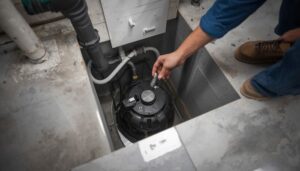

TL;DR: The average cost to install a basement interior French drain is between $3,000 and $10,000, with most homeowners paying around $5,500. This system involves cutting a trench along your basement perimeter, laying a perforated pipe in gravel, and directing water to a sump pump. While it effectively manages water intrusion, it works best when combined with other waterproofing methods like wall sealants and proper gutter maintenance.
What Is A Basement Interior French Drain?
A basement interior French drain is a drainage system installed inside your basement, along the perimeter of the floor where it meets the foundation walls. A trench is cut into the concrete slab, a perforated pipe is laid in a bed of gravel, and this directs any groundwater that seeps through the walls or floor to a sump pump. The sump pump then pushes the collected water outside, away from your home’s foundation. This system is one of the most common and effective ways to manage basement water problems without having to dig up the exterior of your house.
How Does An Interior French Drain Work To Waterproof A Basement?
An interior French drain works by intercepting water before it can pool on your basement floor. The trench and gravel create a path of least resistance for water, channeling it into the perforated pipe. The pipe slopes slightly toward a sump pit, where a pump activates when water levels rise. This system doesn’t stop water from entering, but it manages it by removing it quickly, keeping your basement dry and preventing damage to your belongings or foundation.
How Much Does It Cost To Install An Interior French Drain?
The cost to install an interior French drain typically ranges from $3,000 to $10,000 for an average-sized basement. Most homeowners spend around $5,500. Costs are often calculated per linear foot, ranging from $50 to $100 per foot. Additional factors include the type of sump pump (basic vs. battery backup), whether wall sealants are applied, and if you need to remove existing flooring. Always get at least three quotes from licensed contractors to compare pricing.
How Long Does An Interior French Drain Last?
A properly installed interior French drain can last 20 to 30 years or more. The gravel and pipe are durable, but the sump pump is the weak link, typically needing replacement every 7 to 10 years. Regular maintenance, such as cleaning the pump intake and checking the discharge line for blockages, can extend the system’s life. If you notice the pump running constantly or strange noises, it may be time for a replacement.
Can I DIY Install An Interior French Drain?
DIY installation is possible but not recommended for most homeowners. The process involves cutting through concrete, digging a trench with proper slope, and correctly installing a sump pump and discharge line. Mistakes can lead to foundation damage, improper drainage, or water backing up into your home. Professional installation ensures the system meets local codes and works reliably. If you have experience with concrete work and plumbing, you might save on labor, but the risk is high.
What Are The Best Interior French Drain Options?
The best options depend on your specific water issues and budget. Here are common choices:
- Traditional gravel and perforated pipe: Reliable and cost-effective, using washed gravel for good water flow. Cost: $50–$80 per linear foot.
- Prefabricated drain mat system: Uses a plastic mat that wraps around the foundation and drains into a pipe. Easier to install but can be more expensive. Cost: $60–$100 per linear foot.
- Combination with wall sealants: Adds a waterproof coating to walls before the drain is installed. Cost: Adds $1,000–$3,000 to the total.
For most homes, a traditional system with a quality sump pump and battery backup is the best balance of cost and performance. Brands like Basement Systems or local contractors can customize a solution.
When Should I Replace Or Upgrade My Interior French Drain?
You should consider replacement or upgrade if you see these signs:
- Persistent water pooling or dampness despite the drain working
- Clogged pipes from sediment or roots
- Sump pump running constantly or failing during heavy rain
- System is over 20 years old and showing wear
- Musty odors or mold growth indicating poor drainage
If your current system isn’t keeping up, an upgrade to a larger pump or additional drain lines may be necessary.
Does An Interior French Drain Add Value To My Home?
Yes, a properly installed interior French drain can add value by preventing water damage and making your basement usable for storage, a home gym, or a living space. However, it may not fully recoup the cost if buyers view it as a necessary repair rather than an upgrade. The real value is in peace of mind and avoiding expensive foundation repairs down the road. For more on basement improvements, see our guide on basement waterproofing methods.
What Is The Difference Between An Interior And Exterior French Drain?
The main difference is location and cost. An interior French drain is installed inside the basement, catching water that already enters. An exterior drain is dug outside the foundation, preventing water from reaching the walls. Exterior drains are more expensive ($10,000–$30,000) but can stop water before it enters. Interior drains are cheaper ($3,000–$10,000) and easier to install but may not prevent all water entry. Many homeowners choose interior as a cost-effective solution for minor to moderate water issues.
Do I Need A Sump Pump With An Interior French Drain?
Yes, a sump pump is essential for most interior French drain systems. The drain collects water, but without a pump, the water would just pool in the trench. The sump pump actively removes the water from your basement, pushing it outside through a discharge pipe. Choose a pump with a battery backup to ensure it works during power outages, which often happen during heavy storms. A quality pump costs $200–$600, while a battery backup adds $300–$500.
How Do I Maintain An Interior French Drain?
Maintenance is low but important for long-term performance:
- Monthly: Check the sump pump, clean the intake screen, and pour a bucket of water into the pit to test the pump.
- Seasonally: Ensure the discharge line is clear of debris and slopes away from the foundation. Check for ice blockages in winter.
- Every 2–3 years: Inspect the drain pipe for clogs from sediment. A professional can flush the system if needed.
Neglecting maintenance can lead to pump failure and water damage. For more tips, read our article on sump pump maintenance.
Will An Interior French Drain Fix A Wet Basement Completely?
An interior French drain effectively manages water that enters the basement, but it doesn’t prevent water from coming through walls or windows. For complete waterproofing, combine it with other methods:
- Apply waterproof sealants to foundation walls
- Ensure gutters and downspouts direct water away from the house
- Grade the soil around your foundation to slope away
- Install window well covers to keep rain out
An interior French drain is a drainage solution, not a total waterproofing fix. For severe issues, consult a professional about a comprehensive plan. Learn more about basement waterproofing systems and foundation drainage solutions.
How Do I Choose A Contractor For Interior French Drain Installation?
Choosing the right contractor is critical for a successful installation. Look for these qualities:
- Licensed and insured for foundation work
- At least 5 years of experience with basement drainage
- Positive reviews on sites like Angi or Google
- Provides a written estimate with detailed scope of work
- Offers a warranty on labor and materials (at least 1–2 years)
Get at least three quotes and ask about the type of pipe, gravel, and sump pump they use. A good contractor will explain the process and answer your questions. For more on vetting contractors, see how to hire a basement waterproofing contractor.
What Are The Common Mistakes To Avoid With Interior French Drains?
Avoid these mistakes to ensure your system works properly:
- Improper slope: The pipe must slope at least 1/8 inch per foot toward the sump pit. Too little slope causes clogs.
- Using wrong gravel: Washed gravel is essential. Pea gravel or crushed stone can clog the pipe.
- Skipping the sump pump: Without a pump, the system won’t remove water effectively.
- Not addressing wall cracks: Seal wall cracks before installing the drain to reduce water entry.
- Ignoring permits: Some areas require permits for cutting concrete. Check local codes.
Hiring a professional helps avoid these issues. For a step-by-step overview, read our guide on basement drainage installation steps.