
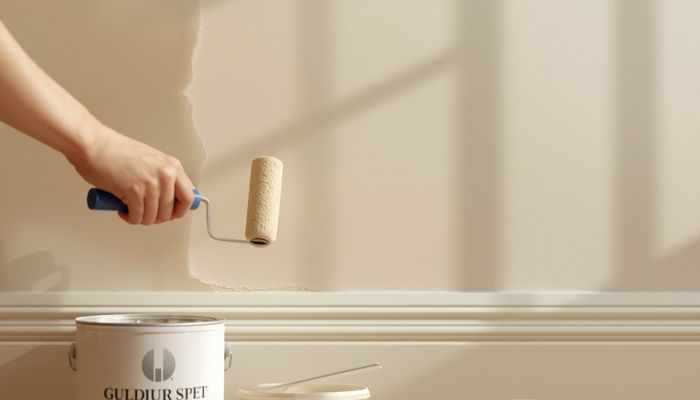
“`html
Satin Finish Explained: What It Is and Why It Matters
TL;DR: A satin finish is a paint sheen that sits right between flat/matte and semi-gloss. It gives walls a soft, velvety glow without being overly shiny, and it’s tough enough to wipe clean — making it one of the most popular choices for high-traffic rooms like kitchens, bathrooms, and hallways.
What Is a Satin Finish?
In home improvement, a satin finish describes a paint or clear coating that has a medium luster — more reflective than a flat or matte surface, but noticeably less shiny than semi-gloss or high-gloss. Think of it as the “just right” middle ground. When you run your hand over a satin-painted wall, it feels smooth, not chalky, and catches the light with a subtle shimmer rather than a distracting glare.
Paint manufacturers measure gloss on a scale from 0 (dead flat) to 100 (mirror-like). Satin finishes typically land in the 25% to 35% gloss range. For wood finishes like polyurethane, a satin sheen usually falls around 30% to 40% gloss.
The name comes from the fabric: satin cloth has a gentle sheen that’s soft to the touch, and a satin paint finish mimics that look on walls, trim, cabinets, and even furniture.
How Satin Finish Works
A paint’s sheen is determined by the ratio of binder (resin) to pigment and the additives that control light reflection. Satin formulas contain more binder than flat paints, which creates a slightly harder film. That film scatters light less than a matte surface but still has enough microscopic texture to avoid a shiny, glass-like appearance.
Here’s what happens technically:
- Light reflection: The surface reflects enough light to brighten a room without revealing every tiny wall bump. At a viewing distance, a satin wall looks even and slightly luminous.
- Durability: The higher binder content makes satin paint more scrub-resistant. Soap, water, and gentle scrubbing won’t easily wear away the finish or
Complete Sheen Comparison Table
To help you decide where satin fits among the other sheens, here is the full comparison from flat to high-gloss. These values are based on industry standards from major paint manufacturers like Sherwin-Williams, Behr, and Benjamin Moore.
| Sheen Level | Gloss Range (0–100) | Light Reflection | Durability (Scrub Cycles) | Best For | Worst For |
|---|---|---|---|---|---|
| Flat / Matte | 0–10% | Very low; absorbs light | Low (200–400 cycles) | Ceilings, low-traffic bedrooms, hiding wall imperfections | Kitchens, bathrooms, hallways, kids’ rooms |
| Eggshell | 10–20% | Low; slight glow | Medium (400–600 cycles) | Living rooms, dining rooms, adult bedrooms | High-moisture areas, trim, cabinets |
| Satin | 25–35% | Medium; soft velvety glow | High (600–1,000 cycles) | Kitchens, bathrooms, hallways, kids’ rooms, laundry rooms | Ceilings (can show imperfections), exterior in direct sun |
| Semi-Gloss | 40–55% | High; noticeable shine | Very high (1,000–1,500 cycles) | Trim, doors, cabinets, high-moisture bathrooms | Large wall areas (accentuates bumps), ceilings |
| High-Gloss | 70–90% | Very high; mirror-like | Extreme (1,500+ cycles) | Furniture, accent pieces, front doors, decorative trim | Walls, ceilings, any surface with imperfections |
Note: Scrub cycles are based on ASTM D2486 testing. Actual performance varies by brand and formulation.
Satin on Different Surfaces
Satin finish performs differently depending on what you apply it to. Here’s a breakdown for the most common surfaces in a home.
Walls
Satin is an excellent choice for walls in high-traffic areas. It provides enough sheen to brighten the room while still hiding minor drywall imperfections better than semi-gloss. In kitchens and bathrooms, satin walls resist steam, grease splatters, and fingerprints. On bedroom walls, it can feel too shiny for some tastes — eggshell is often preferred there.
Trim and Baseboards
Satin on trim offers a happy medium. It’s more durable than eggshell, so it stands up to vacuum bumps and scuffs, but it’s less reflective than semi-gloss, which some homeowners find too “plastic-looking.” If your trim has dings or uneven caulk lines, satin will hide them better than semi-gloss or high-gloss.
Cabinets
Satin is a popular choice for kitchen and bathroom cabinets. It provides a smooth, wipeable surface that resists grease and moisture. However, for cabinets that see heavy daily use (like kitchen base cabinets), semi-gloss or high-gloss is often recommended because it offers even better stain resistance and easier cleaning. Satin works best on upper cabinets or in low-moisture bathrooms.
Wood Floors (Polyurethane)
For hardwood floors, satin polyurethane is the most popular sheen among homeowners. It gives a natural, low-luster look that doesn’t show every dust speck or footprint like semi-gloss does. Satin also hides minor scratches and wear patterns better than glossier finishes. Expect to pay $40–$60 per gallon for quality satin floor polyurethane, compared to $30–$50 for semi-gloss.
Cleaning and Maintenance Guide
One of satin’s biggest advantages is its cleanability. Here’s how to keep satin surfaces looking fresh without damaging the finish.
- Light cleaning: Use a soft microfiber cloth or sponge with warm water. For dust, a dry microfiber duster works well. Avoid abrasive sponges (Scotch-Brite pads, steel wool).
- Spot cleaning: For fingerprints, grease splatters, or crayon marks, mix a few drops of mild dish soap (like Dawn) with warm water. Gently wipe in a circular motion, then rinse with a clean damp cloth. Pat dry.
- Stubborn stains: For dried-on food or marker, use a magic eraser (melamine sponge) — but test in an inconspicuous area first. Over-aggressive rubbing can burnish the satin sheen, creating a shiny spot.
- What to avoid: Never use bleach, ammonia-based cleaners, or any product with abrasive particles. These will dull the finish and may strip the binder, reducing durability.
- Frequency: In kitchens, wipe down walls every 2–3 months. Bathrooms need cleaning every 1–2 months to prevent mildew. Hallways can go 4–6 months between cleanings unless you have kids or pets.
Pro tip: If you accidentally burnish a satin wall (creating a shiny patch), you can sometimes blend it by lightly re-rolling the entire wall with the same paint. For small areas, a touch-up with a mini-roller may work.
How Satin Finish Compares to Eggshell and Semi-Gloss in Real-World Use
Choosing between eggshell, satin, and semi-gloss is one of the most common dilemmas for DIYers. Here’s how they stack up in everyday situations.
Satin vs. Eggshell
Eggshell has a slightly lower sheen (10–20% gloss) and a more subtle, almost flat appearance. In a living room with good lighting, eggshell looks softer and more elegant. However, eggshell is less scrub-resistant — it can withstand only about 400–600 scrub cycles compared to satin’s 600–1,000. In a hallway where kids’ backpacks brush the walls, eggshell will show scuffs and require more frequent touch-ups. Satin is the better choice for any room that sees active use.
Satin vs. Semi-Gloss
Semi-gloss (40–55% gloss) is noticeably shinier and more reflective. It’s the go-to for trim, doors, and cabinets because it’s extremely durable and easy to clean. But on walls, semi-gloss will highlight every drywall seam, nail pop, and roller mark. Satin provides a much more forgiving surface for walls while still offering good cleanability. If you’re painting a bathroom, satin on the walls and semi-gloss on the trim is a classic combination.
Real-World Wear Test
Here’s a quick comparison based on a busy family’s kitchen after one year:
- Eggshell walls: Show smudge marks near light switches and stove. Some areas look “polished” from frequent wiping. Touch-up paint doesn’t blend perfectly.
- Satin walls: Smudges wipe off easily. No visible polishing. Touch-up paint blends well if you use the same can and application method.
- Semi-gloss walls: Very easy to clean, but every roller mark and drywall imperfection is visible under direct light. Touch-up paint often leaves a darker spot.
Application Tips for DIYers
Applying satin paint requires a bit more care than flat paint because the higher sheen shows roller and brush marks more easily. Follow these tips for a professional-looking finish.
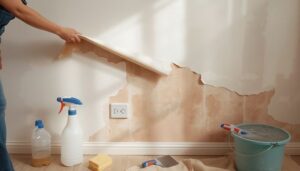
- Surface preparation is critical. Fill all nail holes, sand smooth, and wipe dust off. Satin will not hide poor prep work. Use a 120–150 grit sandpaper for patched areas.
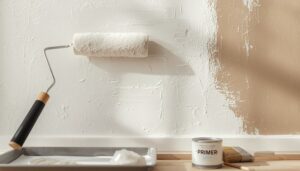
- Prime before painting. Use a high-quality primer (like Zinsser or Kilz) especially if you’re painting over dark colors, bare drywall, or glossy surfaces. This ensures even adhesion and sheen uniformity.
- Use the right roller nap. For smooth walls (Level 4 or 5 drywall finish), use a 3/8-inch microfiber roller cover. For textured walls, a 1/2-inch nap works better. Avoid foam rollers — they leave bubbles and streaks.
- Maintain a wet edge. Work in 4×4-foot sections, rolling from top to bottom and overlapping slightly. Keep the roller loaded but not dripping. If the paint starts to set, stop and let that section dry completely before cutting in again.
- Cut in carefully. Use a high-quality angled brush (2–2.5 inches) for edges and corners. Apply the paint in smooth, even strokes, then “tip off” by lightly brushing over the wet paint to eliminate brush marks.
- Apply two coats. One coat of satin rarely covers uniformly. Two thin coats give a much better finish than one thick coat. Allow 2–4 hours drying time between coats (check the can for exact times).
- Watch the temperature. Satin paint should be applied in temperatures between 50°F and 90°F (10°C to 32°C). Too cold, and it won’t flow properly; too hot, and it dries too fast, leaving lap marks.
Common mistake: Don’t try to “touch up” a satin wall by dabbing paint on a spot with a brush. Instead, re-roll the entire wall from corner to corner. Satin sheen is very sensitive to application technique, and touch-ups almost always show.
Frequently Asked Questions
1. Can I use satin paint on ceilings?
Technically yes, but it’s not recommended. Ceilings are usually painted with flat or matte paint because they hide imperfections better. Satin on a ceiling will reflect light and show every drywall joint, texture inconsistency, and shadow. Stick with flat for ceilings unless you have a perfectly smooth ceiling and want a modern, luminous look.
2. Is satin finish more expensive than flat or eggshell?
Yes, slightly. Satin paint typically costs $2–$5 more per gallon than the same brand’s flat or eggshell because of the higher binder content. Expect to pay $35–$60 per gallon for quality satin interior paint. The price difference is usually worth it for the added durability.
3. How do I remove scuff marks from satin walls without damaging the finish?
Start with a damp microfiber cloth. If that doesn’t work, add a drop of dish soap. For stubborn scuffs (like black rubber marks from shoes), use a magic eraser with very light pressure — no more than 5–10 gentle passes. Over-scrubbing will remove the sheen and leave a dull spot. If that happens, you’ll need to repaint the entire wall.
4. Can I use satin paint over existing glossy paint?
Yes, but only if you properly prepare the surface. Glossy paint is slick and won’t let satin adhere well. Lightly sand the glossy surface with 220-grit sandpaper (or use a liquid deglosser), then wipe clean. Apply a bonding primer (like Stix or Kilz Adhesion) before painting with satin. Skipping this step will result in peeling and flaking within months.
5. Does satin finish yellow over time?
Oil-based satin paints (alkyd) will yellow over time, especially in low-light areas like closets or behind furniture. Water-based (acrylic latex) satin paints do not yellow. Always choose a 100% acrylic latex satin paint for walls and trim to avoid yellowing. For cabinets, use a water-based urethane-alkyd hybrid for the best durability without yellowing.
“`
Professional Paint Resources: For detailed sheen specifications and product data sheets, see Sherwin-Williams and Benjamin Moore. The ASTM D4213 standard covers scrub resistance testing for interior paints. For step-by-step painting guides, visit This Old House Painting.

Would you recommend this for a DIYer with moderate experience, or better to hire a pro?
A fresh coat of paint in neutral tones sells houses faster than any other single improvement.