Pressure Washer Buying Guide for Homeowners
TL;DR: A pressure washer uses high-pressure water (1,300-4,000 PSI) to clean siding, decks, driveways, vehicles, and outdoor furniture. Electric units cost $100-$400 and produce 1,300-2,500 PSI; gas units cost $300-$900 and produce 2,800-4,000 PSI. Quality units last 5-15 years with annual maintenance. Top brands: Ryobi, Sun Joe, Karcher (electric), Simpson, DeWalt, Generac, and Honda-powered machines (gas). Pressure washing is genuinely DIY but improper use can damage siding, etch concrete, or injure the user; review safety practices before pressure cleaning soft surfaces.
What Is Pressure Washers?
A pressure washer is a pump-driven cleaning device that converts municipal water pressure (40-80 PSI) into high pressure (1,300-4,000 PSI) by means of an electric or gas-engine driven pump. The output goes through a hose to a spray wand with interchangeable nozzles or a variable-pressure nozzle. Electric machines plug into 120V outlets; gas machines run on 5-7 HP engines.
How Much Does Pressure Washers Cost?
A quality electric pressure washer costs $100-$400 (Ryobi RY142022, Sun Joe SPX3000, Karcher K3-K5). A quality gas pressure washer costs $300-$900 (Simpson Megashot, Generac SpeedWash, Honda-powered Simpson). Premium prosumer gas units run $700-$1,500 (Simpson Aluminum SeriesPro). Surface cleaners, soap injectors, and extension wands add $50-$200.
| Tier | PSI | GPM | Price |
|---|---|---|---|
| Light electric | 1,300-1,800 | 1.5-1.7 | $100-$200 |
| Mid-range electric | 2,000-2,500 | 1.4-1.8 | $200-$400 |
| Mid-range gas | 2,800-3,200 | 2.3-2.8 | $300-$500 |
| Premium gas | 3,200-4,000 | 2.5-4.0 | $500-$900 |
| Commercial gas | 4,000+ | 4.0-6.0 | $900-$2,500 |
How Long Does Pressure Washers Last?
Quality pressure washers last 5-15 years. Electric pumps in residential-tier units (Ryobi, Sun Joe) last 200-400 hours of run time. Gas units with axial-cam pumps last 300-500 hours; triplex pumps in commercial machines last 1,000+ hours. Pump failure is the most common end-of-life event; pumps are not cost-effective to replace on consumer machines (they often cost 50-70% of a new unit).
Can I DIY Pressure Washers?
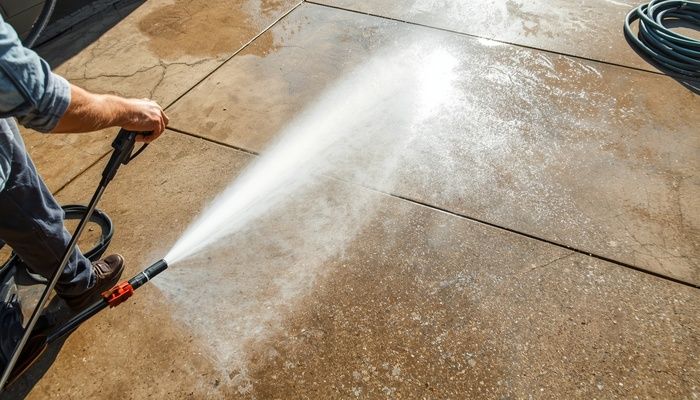
Pressure washing is genuinely DIY for most surfaces. Common DIY uses: cleaning vinyl siding (annual), washing decks (annual or biannual before staining), cleaning driveways and patios (annual), washing vehicles (with foam cannon), and outdoor furniture. Match the nozzle and stand-off distance to the surface: 25 degree green nozzle for siding from 18-24 inches, 15 degree yellow nozzle for concrete from 6-12 inches, and rotating turbo nozzle for stubborn deck cleaning.
Safety considerations: never use the 0 degree red nozzle (can cut skin and is rarely necessary), never spray toward people or pets, never spray windows or electrical fixtures, never spray softer surfaces (wood siding, asphalt shingles, stucco) without practicing pressure setting on a hidden area first. Pressure washer wands can cause serious injury from kickback; brace yourself and use two hands.
What Are the Best Pressure Washers Options?
For homeowners, Ryobi RY142022 ($150-$200) and Sun Joe SPX3000 ($120-$170) are the value picks for electric. Karcher K5 ($350-$450) is the premium electric. Simpson Megashot MS61024 ($350-$450) is the entry gas pick. Honda-powered Simpson and Generac SpeedWash are the durable mid-range gas options.
| Brand | Notable Model | Power | Price |
|---|---|---|---|
| Ryobi | RY142022 | 2,000 PSI electric | $150-$220 |
| Sun Joe | SPX3000 | 2,030 PSI electric | $120-$200 |
| Karcher | K5 Premium | 2,000 PSI electric | $300-$450 |
| Simpson | Megashot MS61024 | 3,200 PSI gas Honda | $400-$550 |
| DeWalt | DXPW3625 | 3,600 PSI gas Honda | $700-$900 |
When Should I Replace or Upgrade Pressure Washers?
Replace a pressure washer when: the pump no longer reaches rated pressure (worn seals, broken valves), the engine on a gas unit will not start after carburetor service, the trigger gun leaks even after seal kit replacement, the hose has burst or kinked permanently, or the unit is over 8-10 years old and has had multiple repairs. Most residential-tier pumps are not worth rebuilding once they fail; replacement is faster.
Electric vs gas pressure washer: which should I buy?
Electric is right for homeowners cleaning siding, decks, and cars 5-15 times per year. It is cheaper, quieter, lighter, and starts instantly with no maintenance. Gas is right for commercial use, large jobs (long driveways, multiple buildings), and tough cleaning (oil stains, paint stripping). Gas units are heavier, louder, require fuel and oil maintenance.
What PSI do I need for my pressure washer?
1,500-2,000 PSI handles cars, outdoor furniture, and light siding cleaning. 2,000-3,000 PSI handles decks, fences, and dirty driveways. 3,000-4,000 PSI handles concrete cleaning, paint prep, and heavy commercial work. More PSI is not always better; over-pressuring softer materials (vinyl siding, wood deck) causes damage.
Can I use a pressure washer to clean my roof?
Generally no. Asphalt shingles lose granules and become damaged from high-pressure water. Soft washing (low-pressure with cleaning solutions) is the recommended method for roofs. Tile and metal roofs are slightly more pressure-tolerant but should be cleaned from below the eaves only, not from the surface.
How do I keep my pressure washer running longer?
After each use: drain water from the pump (pull the trigger with the engine off and the spigot off), store with pump saver fluid in cold-weather climates, and run the engine briefly with the trigger held down to clear water from internal passages. Annually: change engine oil on gas units, replace the trigger gun O-rings, inspect the hose for cracks.