
Essential Tools for Painting Furniture
TL;DR: To paint furniture like a pro, you need the right tools: a good brush, a mini roller, sandpaper, primer, and quality paint. This guide covers every tool and material you need, with costs, step-by-step instructions, and safety tips to avoid common mistakes. Expect to spend $50–$150 on tools and materials for a single piece of furniture, and plan for 2–4 hours of active work plus drying time.
What You’ll Need
Here is a complete list of tools and materials to paint furniture. Prices are estimates from Home Depot or Lowe’s as of early 2025.
| Tool or Material | Purpose | Estimated Cost |
|---|---|---|
| High-quality synthetic brush (2-inch angled) | Cut in edges, corners, and details | $8–$15 |
| Foam roller (4-inch or 6-inch) with tray | Smooth, even coats on flat surfaces | $5–$10 |
| Sandpaper (120-grit, 220-grit) | Smooth wood and scuff old finish | $5–$8 per pack |
| Sandpaper block or electric sander (optional) | Easier sanding for large pieces | $10–$40 |
| Tack cloth or lint-free rag | Remove dust after sanding | $3–$5 |
| Painter’s tape (blue, low-tack) | Protect hardware, glass, or edges | $5–$8 per roll |
| Drop cloth (canvas or plastic) | Protect floor and work area | $8–$15 |
| Primer (water-based, bonding type) | Help paint stick and cover stains | $12–$20 per quart |
| Paint (chalk, latex, or milk paint) | Color and finish for furniture | $15–$30 per quart |
| Paint stir stick | Mix paint thoroughly | $0.50–$1 |
| Protective gloves (nitrile or latex) | Protect hands from chemicals | $5–$10 per box |
| Safety glasses | Protect eyes from dust and paint splatter | $3–$10 |
| Drop cloth or newspaper | Cover workspace | $3–$8 |
| Mineral spirits or soap and water (for cleanup) | Clean brushes and rollers | $5–$10 |
Total estimated cost for all tools and materials: $50–$150, depending on whether you already own some items like a sander or drop cloth.
How Long Does This Take?
Here is a time breakdown for a typical dresser or small table:
- Preparation (cleaning, removing hardware, sanding): 30–60 minutes
- Priming (one coat): 15–30 minutes to apply, plus 1–2 hours drying time
- First coat of paint: 20–40 minutes to apply, plus 2–4 hours drying time
- Second coat of paint: 20–40 minutes to apply, plus 2–4 hours drying time
- Sealing (optional, for high-use furniture): 15–30 minutes, plus drying time
- Total active work time: 2–3 hours
- Total project time (including drying): 6–12 hours, best done over a weekend
Safety First
Always work in a well-ventilated area. Paint fumes and dust can be harmful. If you are sanding, wear a dust mask or N95 respirator to avoid inhaling fine particles. Wear safety glasses to protect your eyes from dust and paint splatter. Use gloves when handling primer, paint, or mineral spirits. Keep paint and solvents away from open flames or sparks. If you are using an electric sander, unplug it when changing sandpaper. Never leave paint cans or wet rags in a hot area—they can be fire hazards.
Step-by-Step Instructions
- Prepare your workspace. Lay down a drop cloth or newspaper on the floor. Move furniture to a well-ventilated area, like a garage or a room with open windows. Remove all hardware (handles, knobs, hinges) and set them aside in a labeled bag. If hardware is not removable, cover it with painter’s tape.
- Clean the furniture thoroughly. Use a damp cloth with mild soap and water to remove dirt, grease, and wax. Pay extra attention to areas around handles and drawers. Let the furniture dry completely (about 30 minutes).
- Sand the surface. Use 120-grit sandpaper to scuff the existing finish. Sand in the direction of the wood grain. This helps the primer and paint stick. For flat surfaces, use a sanding block or electric sander. For curved or detailed areas, sand by hand. Wipe away dust with a tack cloth or a damp lint-free rag. Wear a dust mask and safety glasses during this step.
- Apply painter’s tape. Tape off any areas you do not want to paint, such as glass panels, mirrors, or edges you want to keep natural. Press the tape down firmly to prevent paint bleeding.
- Stir and pour primer. Stir the primer thoroughly with a stir stick. Pour a small amount into a paint tray. Use a high-quality synthetic brush to cut in along edges and corners. Then use a foam roller to apply primer to large, flat surfaces. Work in thin, even coats. Let the primer dry according to the manufacturer’s instructions (usually 1–2 hours).
- Sand lightly after primer. Once the primer is dry, use 220-grit sandpaper to lightly scuff the primed surface. This smooths any raised grain or brush marks. Wipe away dust with a tack cloth.
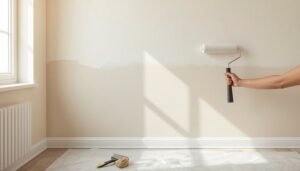
- Apply the first coat of paint. Stir the paint well. Pour into a clean paint tray. Use the brush to cut in edges, corners, and details. Then use the foam roller to apply paint to flat surfaces. Roll in long, even strokes—do not overwork the paint. Let the first coat dry completely (2–4 hours depending on paint type and humidity).
- Sand between coats (optional but recommended). Lightly sand the first coat with 220-grit sandpaper to remove any bumps or dust nibs. Wipe clean with a tack cloth. This step gives you a smoother finish.
- Apply the second coat of paint. Repeat the same process: brush edges, then roll flat surfaces. Let this coat dry fully (2–4 hours). For best results, apply a third coat if the paint is thin or if you are using light colors.
- Remove tape and reattach hardware. Carefully peel off painter’s tape while the paint is still slightly tacky (but not wet) to avoid lifting the paint. Wait until the paint is fully dry (check the can) before reattaching hardware. Use a screwdriver to tighten handles and knobs gently.
- Optional: Apply a topcoat or sealer. For furniture that gets heavy use (like a dining table or nightstand), apply a clear wax or polyurethane sealer. Use a clean brush or rag to apply a thin coat. Let it dry, then buff with a soft cloth for a smooth finish.
Common Mistakes to Avoid
- Skipping the primer. Primer helps paint stick and prevents stains from bleeding through. Without it, your paint may peel or chip quickly. Always use a bonding primer on glossy or laminate furniture.
- Using the wrong brush. A cheap brush can leave streaks and shed bristles. Invest in a high-quality synthetic brush for smooth results. For oil-based paints, use a natural bristle brush.
- Painting over dirty or greasy surfaces. Grease and dirt prevent paint from adhering. Always clean furniture thoroughly with soap and water or a degreaser before sanding.
- Applying thick coats. Thick paint layers take forever to dry and can drip or sag. Apply thin, even coats and let each coat dry fully before adding the next.
- Not sanding between coats. Skipping this step leads to a rough, bumpy finish. Light sanding with 220-grit paper between coats creates a smooth, professional look.
When to Call a Professional
DIY painting furniture is doable for most homeowners, but call a professional if: the furniture has intricate carvings or veneer that is peeling; you are dealing with lead-based paint (common on furniture made before 1978); the piece is an antique or valuable heirloom; or the furniture is heavily damaged and needs repair before painting. Professionals have spray equipment for a flawless finish and can handle complex repairs. If you are unsure about your abilities, start with a small, inexpensive piece of furniture to practice.
Frequently Asked Questions
Q: Can I paint furniture without sanding?
A: Yes, but only if you use a bonding primer or a specialty paint like chalk paint that adheres to slick surfaces. Sanding still gives the best adhesion and durability. If you skip sanding, clean the surface thoroughly and use a high-adhesion primer.
Q: What type of paint is best for furniture?
A: For most DIYers, water-based latex or acrylic paint is best because it dries fast, cleans up with soap and water, and has low fumes. Chalk paint is popular for a matte, vintage look but requires a sealer. Milk paint gives a natural, textured finish. Avoid oil-based paints unless you are experienced—they require mineral spirits for cleanup and have strong fumes.
Q: How do I get a smooth finish without brush marks?
A: Use a foam roller for flat surfaces and a high-quality synthetic brush for edges. Apply thin coats, and lightly sand between coats with 220-grit sandpaper. For an ultra-smooth finish, consider using a paint sprayer (but that requires more setup and cleanup).
Q: Do I need to use a sealer on painted furniture?
A: It depends on the paint type and use. Chalk paint and milk paint almost always need a sealer (wax or polyurethane) to protect against scratches and moisture. Latex paint is durable on its own but can benefit from a clear topcoat on high-use surfaces like tabletops.
Q: How long should I wait between coats of paint?
A: Follow the manufacturer’s instructions on the paint can. Most water-based paints need 2–4 hours of drying time between coats. In humid conditions, it may take longer. Do a touch test: if the paint feels dry to the touch and not tacky, you can apply the next coat.
For more DIY painting tips, check out our guide on how to choose the best paint brush for furniture. If you are working on a dresser, see our article on painting a dresser without brush marks. For a complete list of essential painting tools every homeowner needs, click here. Also, learn about how to paint laminate furniture for tricky surfaces. Finally, read our beginner’s guide to furniture refinishing for more projects.